How Hot Water Extraction Eliminates Deep-Seated Dirt
Table Of Contents
Ideal Surfaces for Hot Water Extraction
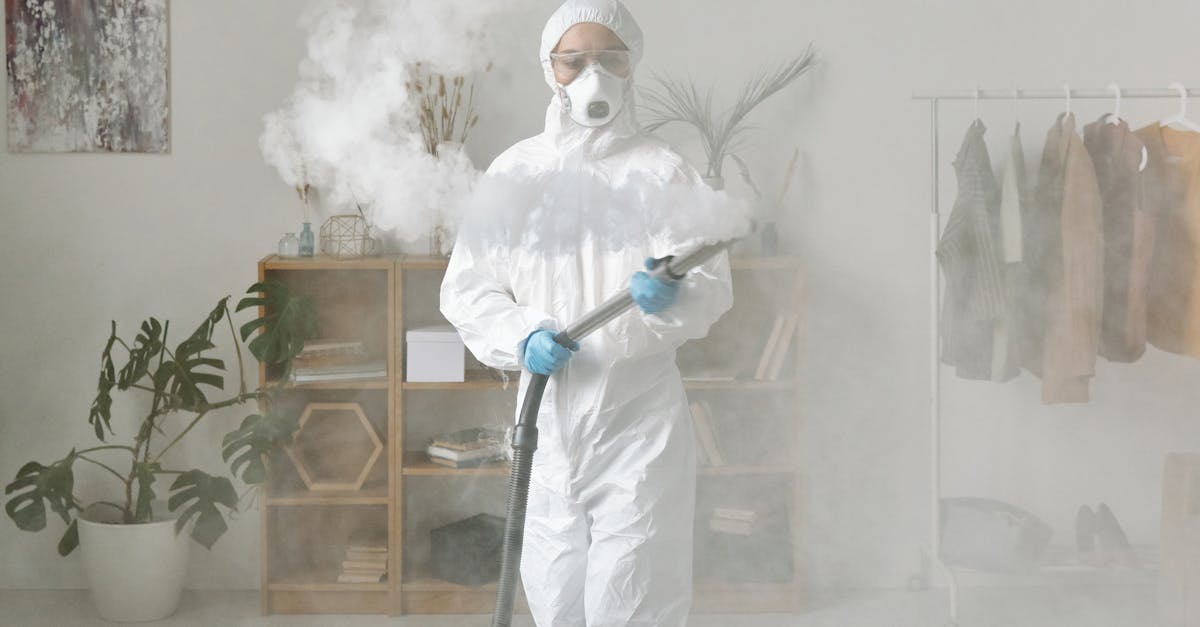
Hot water extraction is particularly effective on carpets and upholstery, where grime and allergens tend to accumulate deep within fibers. The process uses a high-pressure spray of hot water mixed with cleaning solutions, which penetrates these materials, lifting stains and debris. This method is also beneficial for various fabric types, including synthetic and natural fibers, making it a versatile option for home cleaning.
In addition to carpets, hard surfaces like tile and grout respond well to hot water extraction. The heat helps break down dirt and stains, while the suction effectively removes the loosened particles. This technique can refresh flooring that appears dull over time, restoring its original appearance without the need for harsh chemicals.
Best Practices for Different Materials
When dealing with carpets, it is crucial to test a small, inconspicuous area before starting the cleaning process. This helps prevent any discoloration or damage to the material. Using a specific cleaning solution designed for carpets ensures effective dirt removal while maintaining the carpet's integrity. The pressure settings on the extraction machine should also be adjusted according to the carpet fiber type to avoid wear and tear.
For upholstery, verifying the manufacturer's label is essential. Different fabrics have varying tolerance levels to water and cleaning solutions. Employing a gentle technique when extracting water from delicate materials helps prevent damage. Additionally, allowing ample drying time is vital for upholstery to minimize the risk of mold growth. By following these tailored practices, one can ensure optimal cleaning results across different surfaces.
Frequency of Hot Water Extraction
The frequency of hot water extraction primarily depends on the type of surface being cleaned and the amount of foot traffic it endures. High-traffic areas, such as carpets in commercial spaces or hallways, often require more frequent cleaning. A schedule of every six to twelve months is generally advisable for these environments. Residential spaces may need less frequent attention, typically once a year, depending on lifestyle and cleanliness standards.
Considerations such as the presence of pets or allergies can also influence how often hot water extraction should be performed. Households with pets might benefit from cleaning every six to nine months to manage odors and pet hair. In contrast, individuals with sensitivities may opt for more regular cleaning to maintain a healthy indoor environment. Assessing these factors can help determine the most appropriate cleaning schedule for different settings.
Recommended Cleaning Schedule
Establishing a cleaning schedule for hot water extraction is essential to maintain the appearance and longevity of various surfaces. High-traffic areas, such as hallways and entryways, often accumulate dirt more quickly and may require cleaning every six to twelve months. Rooms with less foot traffic might only need this thorough cleaning once every year or two. Factors such as pets and children, along with the type of material being cleaned, can also influence the frequency of extraction.
In commercial spaces, a more rigorous schedule may be necessary. Areas with significant foot traffic, like offices or retail stores, should consider hot water extraction every three to six months to prevent dirt buildup and allergens. Seasonal changes can also dictate cleaning timeliness; for instance, post-winter cleanings can help remove salt and grime accumulated during snowy months. Understanding these factors ensures optimal cleanliness while extending the life of furnishings and carpets.
Environmental Impact of Hot Water Extraction
The process of hot water extraction is often regarded as an eco-friendly cleaning method. It mainly utilizes hot water and does not require harsh chemicals for effective results. The high temperatures help break down dirt and grime, allowing for a clean surface without the reliance on synthetic cleaning agents that may harm the environment. This method also reduces the need for frequent replacement of cleaning products, minimizing waste.
Additionally, hot water extraction is resource-efficient. The technique uses less water compared to traditional cleaning methods, thereby promoting sustainability. Wastewater produced can be managed responsibly, contributing to a lower carbon footprint. As businesses and households increasingly seek environmentally responsible options, hot water extraction stands out as a viable solution for maintaining cleanliness while protecting the ecosystem.
Eco-Friendly Aspects of the Process
Hot water extraction is recognized for its environmentally friendly approach to cleaning. The process primarily utilizes hot water, which allows it to effectively lift and remove dirt and stains without relying heavily on chemical detergents. In many cases, the heat generated during extraction can eliminate bacteria and allergens, promoting a healthier indoor environment. This minimizes the need for harsh cleaning agents, making it a safer option for homes and offices.
Moreover, the use of hot water reduces the overall water consumption compared to other cleaning methods. Traditional carpet cleaning techniques often involve excessive rinsing with chemical-laden solutions. By contrast, hot water extraction relies on a combination of heat and pressure, significantly lowering the volume of water needed. This efficiency not only conserves water but also decreases the environmental impact associated with wastewater disposal.
FAQS
What is hot water extraction?
Hot water extraction is a cleaning method that uses heated water mixed with a cleaning solution to remove dirt, stains, and allergens from carpets, upholstery, and other surfaces.
What types of surfaces are ideal for hot water extraction?
Hot water extraction is best suited for carpets, upholstery, and some types of rugs. It can also be effective on hard surfaces like tile and grout, provided the right equipment is used.
How often should I schedule hot water extraction cleaning?
The frequency of hot water extraction cleaning depends on factors such as foot traffic and usage. Generally, it is recommended to clean carpets every 12 to 18 months, but high-traffic areas may require more frequent cleaning.
Are there specific best practices for different materials when using hot water extraction?
Yes, it's essential to follow manufacturer guidelines for cleaning specific materials. For example, delicate fabrics may require a gentler approach, while durable carpets may withstand more aggressive cleaning techniques.
Is hot water extraction environmentally friendly?
Yes, hot water extraction can be eco-friendly as it typically uses less water than traditional cleaning methods and may incorporate biodegradable cleaning solutions, minimizing environmental impact.
Related Links
The Science Behind Hot Water Extraction EfficiencyTroubleshooting Common Issues in Hot Water Extraction
Best Practices for Hot Water Extraction Carpet Cleaning
Essential Equipment for Effective Hot Water Extraction
Understanding the Hot Water Extraction Process for Carpet Cleaning
Hot Water Extraction vs Steam Cleaning: What You Need to Know
Advantages of Hot Water Extraction for Brisbane Carpets