How Regular Carpet Maintenance Benefits Commercial Spaces in Brisbane
Table Of Contents
Preventing Odor Accumulation
Regular carpet maintenance plays a crucial role in minimizing unpleasant odors in commercial spaces. Accumulated dirt, food particles, and moisture can create a breeding ground for bacteria and mold. These elements often contribute to musty smells that persist despite regular cleaning. By instituting a routine cleaning schedule that includes deep cleaning, businesses can effectively eliminate odor sources.
In addition to regular cleaning, using the right products is essential for maintaining a fresh environment. High-quality carpet cleaners can help neutralize existing odors while preventing new ones from forming. Implementing deodorization techniques, such as steam cleaning or utilizing absorbent powders, further assists in maintaining a pleasant atmosphere. A proactive approach to carpet care ensures that businesses not only enhance their image but also provide a comfortable space for employees and customers alike.
Maintaining a Fresh Environment
Regular carpet maintenance plays a crucial role in enhancing the overall atmosphere of commercial spaces. Clean carpets contribute significantly to indoor air quality. Dust, allergens, and bacteria accumulate in carpets over time, impacting the health of employees and customers. By scheduling routine cleaning, businesses can minimize these pollutants, creating a healthier environment that promotes productivity and well-being.
Moreover, fresh carpets improve the aesthetic appeal of any commercial setting. Customers and clients often judge a business based on its cleanliness and organization. Well-maintained carpets exhibit a commitment to hygiene and professionalism. Investing in regular upkeep not only preserves the carpet's appearance but also fosters a welcoming ambiance, encouraging positive impressions and repeat visits.
Reducing the Risk of Stains
Regular carpet maintenance is essential for protecting carpets from stains that can detract from a commercial space's appearance. Promptly addressing spills and employing protective treatments can significantly reduce the likelihood of staining. Designing a layout that minimizes high-traffic areas can also help maintain the integrity of the carpet. This proactive approach encourages a cleaner, more professional environment.
Additionally, developing an effective routine for carpet care enhances the overall lifespan of the flooring investment. Using mats at entrances can prevent dirt and debris from being tracked in. Educating staff and visitors about the importance of adhering to spill protocols can foster a culture of care. These practices contribute to a more aesthetically pleasing atmosphere while ensuring carpets remain in optimal condition.
Implementing Preventative Measures
Regular maintenance of carpets can significantly lessen the likelihood of severe staining and damage. Implementing preventative measures such as placing mats at entry points serves as a robust barrier. These mats capture dirt and debris from shoes, limiting the amount that reaches the carpet fibers. Additionally, encouraging employees and visitors to remove shoes when entering certain areas can aid in keeping carpets cleaner for longer periods.
Routine inspections of carpets are also key in identifying potential issues before they worsen. Spot cleaning spills immediately can avert larger stains from forming. Routine professional deep cleanings should be scheduled to eliminate ingrained dirt and allergens. By combining these proactive strategies, commercial spaces can maintain their carpets in pristine condition, enhancing the overall atmosphere and extending the carpet's lifespan.
Efficient Cleaning Techniques
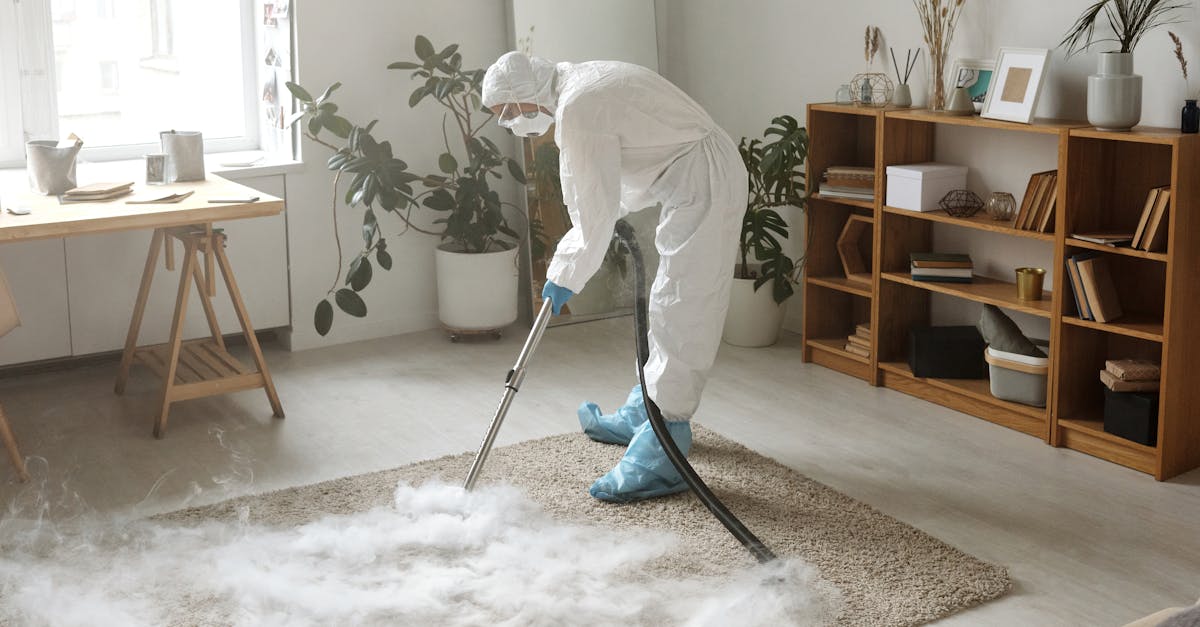
Routine cleaning is essential for maintaining the appearance and integrity of carpets in commercial spaces. One effective method involves using hot water extraction, commonly known as steam cleaning. This technique penetrates deep into the carpet fibers, loosening dirt and allergens, which are then extracted along with the moisture. Regularly scheduled cleanings using this method can vastly improve indoor air quality and extend the lifespan of the carpets.
In addition to steam cleaning, dry cleaning provides an alternative approach that minimizes downtime for businesses. This method employs specialized cleaning powders that absorb soil and stains. After application, the carpet is vacuumed to remove the powder along with the dirt it has captured. Utilizing both methods as part of a comprehensive cleaning strategy ensures that carpets remain in optimal condition and enhances the overall aesthetic of commercial environments.
Utilizing Professional Services
Engaging professionals for carpet maintenance can significantly enhance the cleanliness and longevity of flooring in commercial spaces. These experts possess specialized equipment and knowledge that can tackle deep-seated dirt and allergens more effectively than standard cleaning methods. Regular professional cleaning not only promotes a healthier environment for employees and visitors but also ensures that the carpets remain in optimal condition, preserving the initial investment made in flooring.
Additionally, professional services often provide tailored cleaning plans that align with the specific needs of each commercial space. They assess foot traffic, carpet materials, and usage patterns to recommend appropriate techniques and schedules for maintenance. This proactive approach minimizes the risk of damage and costly replacements while maintaining an inviting atmosphere throughout the business’s life.
FAQS
How often should carpets in commercial spaces be cleaned?
Carpets in commercial spaces should typically be cleaned every 6 to 12 months, depending on foot traffic and usage. High-traffic areas may require more frequent cleaning.
What are the benefits of professional carpet cleaning services?
Professional carpet cleaning services can effectively remove deep-seated dirt, allergens, and stains that regular maintenance might miss. They also use specialized equipment and techniques to extend the lifespan of the carpet.
Can regular carpet maintenance prevent odors?
Yes, regular carpet maintenance helps to prevent odor accumulation by removing food particles, dust, and moisture that can contribute to unpleasant smells.
What preventative measures can be implemented to protect carpets in commercial spaces?
Preventative measures include using entrance mats, implementing a no-shoes policy, and regularly vacuuming to remove dirt and debris before it settles into the carpet fibers.
How can carpet maintenance improve the overall environment of a commercial space?
Regular carpet maintenance helps to maintain a fresh and clean environment, which can enhance employee morale, improve air quality, and create a positive impression for clients and visitors.
Related Links
Effective Commercial Carpet Steam Cleaning Techniques for Brisbane BusinessesThe Impact of Carpet Steam Cleaning on Employee Health and Productivity
Eco-Friendly Practices in Brisbane's Commercial Carpet Steam Cleaning Services
Understanding the Costs Involved in Commercial Carpet Steam Cleaning
The Role of Carpet Steam Cleaning in Enhancing Corporate Image
Choosing Between Dry Cleaning and Steam Cleaning for Commercial Carpets