Professional Pre-Treatment Strategies for Optimal Cleaning
Table Of Contents
Pre-Treatment for Carpet Cleaning
Carpets can accumulate a variety of stains and dirt over time, making pre-treatment a crucial step in the cleaning process. Using specialized stain removers or spot treatments before deep cleaning can help target specific areas that need extra attention. This approach ensures that tough stains are lifted and removed more effectively during the subsequent cleaning steps. It is essential to follow the manufacturer's instructions for any products used to avoid damaging the carpet fibers.
In addition to applying spot treatments, thoroughly vacuuming the carpet before any pre-treatment is vital. This process removes loose dirt and debris, which helps the cleaning products penetrate the fibers more efficiently. For optimal results, allowing the pre-treatment solutions to dwell on the stains for a specified period enables them to break down dirt and grime. These steps lay the groundwork for more effective carpet cleaning, significantly improving overall cleanliness and appearance.
Steps to Prepare Carpets for Deep Cleaning
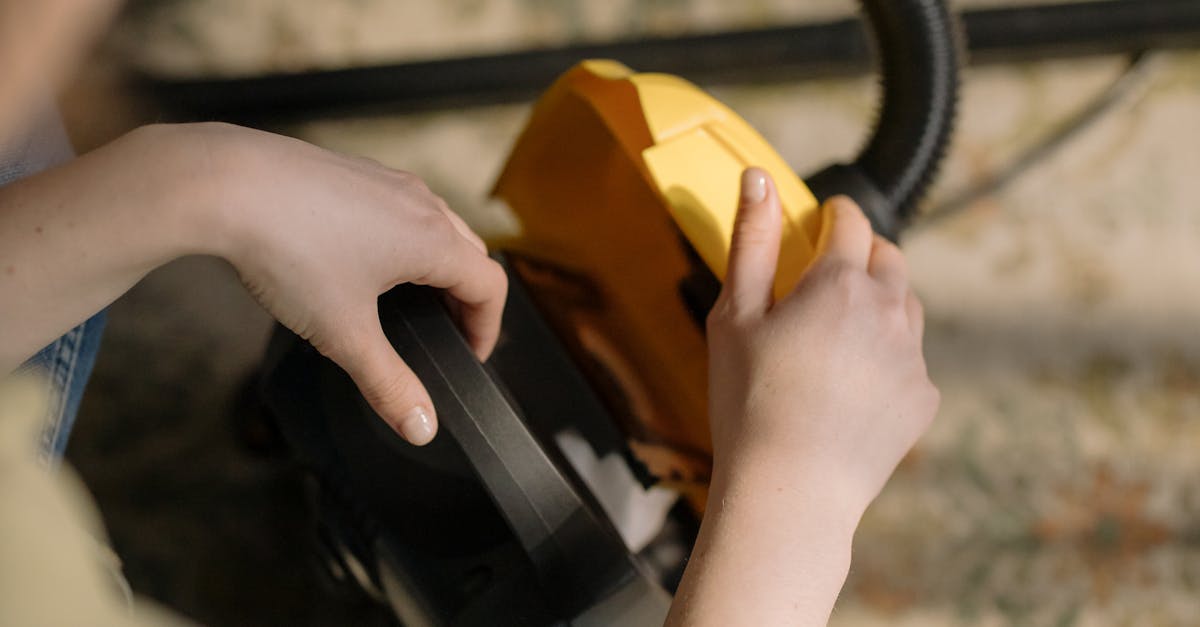
Preparing carpets for deep cleaning involves several essential steps to ensure optimal results. The first action is to remove any furniture or items resting on the carpet. This provides unobstructed access and prevents damage during the cleaning process. Next, vacuuming the carpet thoroughly removes surface dirt, dust, and debris that could hinder deep cleaning. Utilizing a vacuum with a strong suction power ensures that the carpet fibers are free from particles, enhancing the effectiveness of the cleaning treatment.
Spot treating stains should follow vacuuming. Identifying specific areas with stains or heavy dirt buildup allows for targeted treatment, using an appropriate cleaner for the fabric type. Allowing spot treatments to sit for the recommended time enhances their effectiveness, breaking down stubborn stains before the deep cleaning begins. Properly agitating the treated areas can also help in lifting dirt and grime from the fibers. These initial steps set the stage for a comprehensive cleaning process that can restore the carpet's appearance and longevity.
Pre-Treatment in Hard Surface Cleaning
Effective pre-treatment is essential for achieving optimal results in hard surface cleaning. Surfaces such as tile, grout, and natural stone require specific methods to prepare for deeper cleansing. The initial step usually involves dusting or sweeping to remove debris and loose dirt. Following this, a suitable pre-treatment solution should be applied to address stains and embedded grime. This solution typically contains active ingredients designed to break down tough residues and enhance the efficacy of the subsequent cleaning process.
The best practices for tackling tiles and grout involve a focus on both the type of surface and the nature of the stains present. For example, porous surfaces may require pH-balanced cleaners to avoid damage while effectively loosening soil. In contrast, more resilient materials can handle stronger solutions. Agitation methods, such as scrubbing with a brush, also play a prominent role in this stage. This step not only aids in breaking up stubborn dirt but also ensures that the cleaning agents penetrate evenly across the surfaces being treated.
Best Practices for Tiles and Grout
Effective cleaning of tiles and grout begins with a thorough inspection to identify areas requiring special attention. This includes looking for stains, buildup, or damage that may need focused treatment. Pre-treating these problem areas with a suitable cleaning solution can enhance the overall outcome. A mixture of warm water and a mild detergent is often ideal for loosening entrenched dirt and grime. Applying this solution directly enhances its penetration into porous materials, making the subsequent cleaning process more efficient.
Using the right tools is essential for achieving optimal results. A stiff-bristled brush works well for scrubbing grout lines, while a mop or sponge can be used for larger tile surfaces. It is advisable to work in small sections to ensure effective cleaning without allowing the solution to dry prematurely. Consider rinsing the area with clean water after scrubbing to remove any leftover residue. Finally, allowing tiles to dry completely before sealing can help prevent future grime accumulation, contributing to longer-lasting cleanliness.
The Role of Temperature in Pre-Treatment
Temperature significantly impacts the effectiveness of pre-treatment solutions in the cleaning process. Warmer water can help to dissolve dirt and grime more efficiently, allowing cleaning agents to penetrate surfaces better. This enhanced penetration can break down tough stains and residues, making the subsequent cleaning steps far more effective.
In addition to improving chemical reactions, heat can alter the physical properties of certain fabrics and materials. For example, warm temperatures can relax fibers in carpets, facilitating the removal of embedded dirt. However, it is essential to use the right temperature for each type of surface to avoid potential damage, such as shrinking or discoloration. Maintaining an optimal temperature ensures a thorough cleaning experience while safeguarding the integrity of the materials involved.
How Heat Affects Cleaning Efficacy
Heat plays a vital role in the cleaning process by enhancing the solubility of dirt and stains. When cleaning solutions are heated, their effectiveness increases as the molecules in the solution work faster, allowing them to penetrate and break down grime more efficiently. This is especially beneficial when dealing with stubborn substances like grease or oils, which often bond tightly to surfaces. Warm environments facilitate better interaction between the cleaning agents and the contaminants.
Furthermore, elevated temperatures can help to kill bacteria and other pathogens present on surfaces, contributing to a more hygienic cleaning result. Many professional cleaning systems utilize heated water or steam to maximize the effectiveness of their methods. The application of heat not only improves the overall cleaning outcomes but also reduces the time and labor involved in the cleaning process, leading to higher productivity and customer satisfaction.
FAQS
What is pre-treatment in carpet cleaning?
Pre-treatment in carpet cleaning refers to the process of applying specialized cleaning solutions to carpets before the main cleaning takes place. This helps to loosen dirt, stains, and debris, making the deep cleaning more effective.
How can I prepare my carpets for deep cleaning?
To prepare your carpets for deep cleaning, start by vacuuming thoroughly to remove loose dirt and dust. Next, treat any visible stains with an appropriate stain remover, and move furniture or obstacles out of the way to ensure a comprehensive clean.
What are the best practices for cleaning tiles and grout?
Best practices for cleaning tiles and grout include using a high-quality cleaner specifically designed for tiles, scrubbing grout lines with a brush, and rinsing thoroughly with clean water to remove any residue. Regular maintenance can also help keep surfaces looking fresh.
How does temperature affect the efficacy of pre-treatment?
Temperature plays a significant role in pre-treatment; warmer temperatures can help to activate cleaning solutions more effectively, allowing them to penetrate and break down tough stains and grime. However, it's essential to follow product guidelines to avoid damage to surfaces.
Can I perform pre-treatment myself, or should I hire a professional?
While some pre-treatment tasks can be done by homeowners, hiring a professional is recommended for optimal results, especially for deep cleaning and specialized surfaces. Professionals have access to industrial-grade equipment and cleaning solutions that can achieve superior results.
Related Links
When to Apply Pre-Treatment in the Cleaning ProcessCommon Mistakes in Carpet Pre-Treatment to Avoid
Advancements in Pre-Treatment Products for Carpet Care
DIY Pre-Treatment Methods for Home Carpet Cleaning
How Pre-Treatment Enhances Carpet Steam Cleaning Results
The Role of pH Balance in Pre-Treatment for Carpets
Importance of Pre-Treatment in Carpet Steam Cleaning
Choosing the Right Pre-Treatment Solutions for Stubborn Stains