Carpet Care Routines: What to Do After Steam Cleaning
Table Of Contents
Preventative Measures for Future Cleanings
Incorporating preventative measures into your carpet care routine can significantly extend the life of your carpets. Placing welcome mats at entry points helps trap dirt and debris, preventing them from being tracked inside. Regularly vacuuming high-traffic areas reduces the buildup of dust, allergens, and grime, ensuring your carpets remain cleaner between deep cleanings.
Additionally, addressing spills and stains promptly can mitigate potential damage. Blotting the area with a clean cloth prevents the liquid from soaking further into the fibers. Investing in carpet protectors adds an extra layer of defense, repelling stains and making routine maintenance easier. Understanding the specific needs of your carpet's material can also guide you in selecting appropriate maintainers, leading to better overall care.
Regular Maintenance Tips
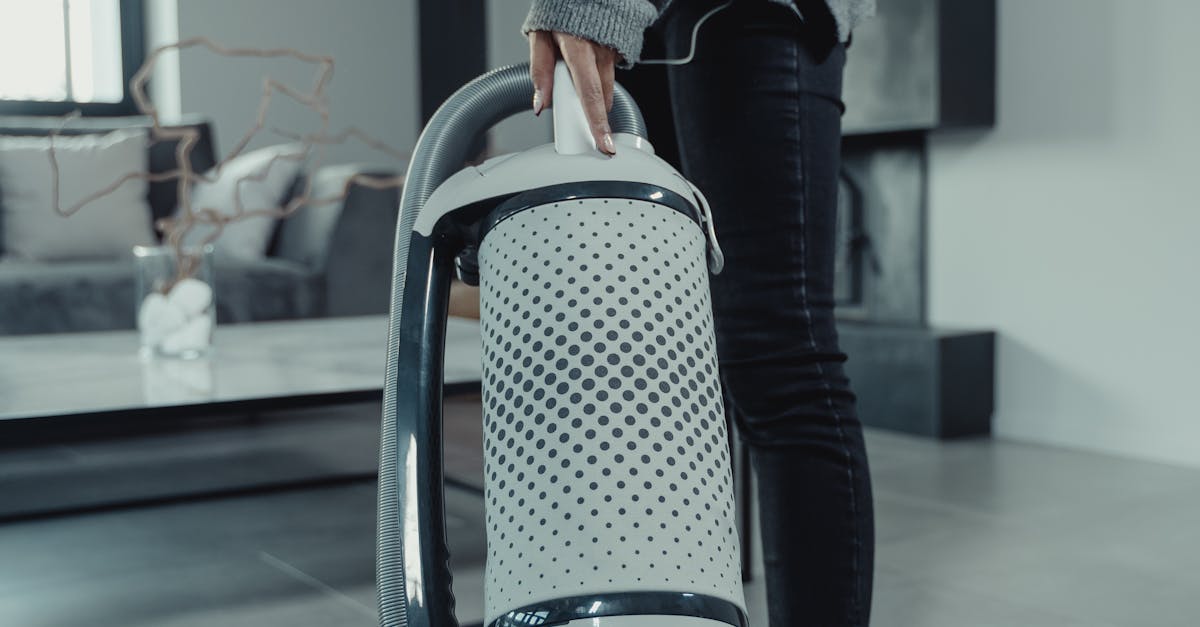
Maintaining your carpets regularly helps prolong their life and appearance. Vacuuming at least once a week can remove dirt and debris that can settle into the fibers. Consider using a vacuum with a HEPA filter for better air quality and to trap allergens. For high-traffic areas, more frequent vacuuming may be necessary. This routine step not only keeps carpets looking fresh but also prevents dirt from embedding deeply into the fibers.
In addition to vacuuming, spot cleaning spills immediately can prevent stains from setting in. Use a clean cloth to blot the area, absorbing as much liquid as possible before applying a suitable cleaner. Always test any cleaning product on a small, inconspicuous area of the carpet first to ensure it does not cause discoloration. Regularly checking for wear and tear can also alert you to areas needing extra attention or professional treatment before they deteriorate further.
Choosing the Right Products for Carpet Care
Selecting appropriate products for carpet care is crucial in maintaining the longevity and appearance of your carpets. Look for cleaners specifically formulated for your carpet’s fiber type. For instance, wool carpets benefit from gentle pH-balanced cleaners that prevent damage. Synthetic fibers, on the other hand, can handle stronger detergents but still require a careful approach to avoid stripping their protective coatings.
In addition to cleaners, conditioners play a vital role in restoring softness and sheen to carpets. Choose products that offer additional benefits such as stain resistance or color revitalization. Always read labels to ensure compatibility with your carpet type. Testing any new product in a small, inconspicuous area can help prevent any unexpected reactions that could compromise the integrity of your flooring.
Recommended Cleaners and Conditioners
Selecting the right products for maintaining your carpets can significantly enhance their appearance and longevity. Look for cleaners that are specifically formulated for post-steam cleaning care. These products often contain ingredients that help to protect carpet fibers while deep cleaning any remaining dirt or residues. Always check for compatibility with your specific carpet type to avoid any potential damage.
Conditioners are equally important in preserving the softness and resilience of your carpet. They can help restore any lost moisture and reduce static cling. When choosing a conditioner, opt for those that provide a protective layer over the fibers, making future cleanings easier. Reading reviews and seeking recommendations can guide you in selecting effective products that will meet your carpet care needs.
Understanding Carpet Fiber Dynamics
Carpet fibers can significantly influence how carpets respond to steam cleaning. Natural fibers, such as wool and cotton, tend to absorb moisture more readily than synthetic options. This characteristic can lead to longer drying times and increased susceptibility to stains if proper care is not taken following cleaning. Additionally, the structure of these fibers may affect dirt retention, requiring different cleaning techniques compared to synthetic carpets.
On the other hand, synthetic fibers, like nylon and polyester, are designed to resist stains and moisture. They typically dry more quickly, making them a popular choice for households with pets or children. However, they may be more prone to static electricity buildup. Understanding these dynamics helps homeowners select appropriate cleaning methods and products tailored to their specific carpets, ensuring longevity and maintaining appearance.
How Different Materials React to Steam Cleaning
Different carpet fibers exhibit distinct reactions to steam cleaning due to their unique properties. For example, synthetic fibers like nylon and polyester are generally resilient and respond well to steam cleaning. They can withstand high temperatures and benefit from the deep cleaning that steam provides. On the other hand, natural fibers such as wool may require a more cautious approach. Excess moisture and heat can potentially damage the delicate structure of wool, leading to shrinkage or a loss of texture.
It is crucial to understand how various materials interact with the steam cleaning process. Berber carpets, often made from looped fibers, can become snagged if subjected to excessive heat or moisture. Silk and other delicate fabrics might not be suitable for steam cleaning at all, as they can easily become discolored or damaged. Knowing the specific requirements and limitations of your carpet’s fiber type will help ensure effective cleaning without compromising the integrity of the material.
FAQS
How often should I steam clean my carpets?
It is generally recommended to steam clean carpets every 12 to 18 months, but this can vary based on foot traffic, pets, and individual needs.
What should I do immediately after steam cleaning my carpets?
After steam cleaning, allow the carpets to dry completely, which may take several hours. Ensure proper ventilation and avoid walking on the damp carpet until it's fully dry.
Can I use regular household cleaners on carpets after steam cleaning?
It's best to avoid using regular household cleaners immediately after steam cleaning, as they can leave residues. Instead, opt for carpet-specific cleaning solutions to maintain the cleanliness.
How can I prevent stains from setting in after steam cleaning?
To prevent stains, address spills immediately by blotting with a clean cloth and using a carpet-safe cleaner. Regular maintenance and protective treatments can also help.
What types of carpets require special care after steam cleaning?
Delicate carpets, such as those made from silk or certain blends, may require special care. Always check the manufacturer’s recommendations for post-cleaning care specific to your carpet type.
Related Links
Steps to Enhance Carpet Longevity Post-CleaningEssential Post-Cleaning Procedures for Optimal Carpet Health
Guidelines for Ensuring Quick Drying of Cleaned Carpets
Recommended Products for Post-Steam Carpet Maintenance
The Importance of Airing Out Carpets After Cleaning