Essential Post-Cleaning Procedures for Optimal Carpet Health
Table Of Contents
Professional Carpet Cleaning
Regular professional carpet cleaning is crucial to maintain the longevity and appearance of your carpets. Trained technicians use specialized equipment that removes deep-seated dirt and allergens from your carpets. This thorough approach often exceeds what can be achieved with standard vacuuming and home cleaning methods. By relying on experts, homeowners can ensure that even the most stubborn stains and odors are professionally addressed.
In addition to enhancing aesthetics, professional cleaning contributes to a healthier indoor environment. Carpets can trap pollutants and allergens over time. Professional services utilize high-quality cleaning solutions that are effective yet safe for both the carpet and the occupants of the home. Scheduling these services helps to eliminate dust mites, bacteria, and other harmful agents, promoting better air quality and overall comfort.
Frequency Recommendations for Best Results
Regular maintenance of carpets is crucial for preserving their appearance and extending their lifespan. Experts typically recommend professional cleaning every 12 to 18 months, but this can vary based on factors such as foot traffic, household pets, and the presence of children. High-traffic areas may necessitate more frequent services to maintain cleanliness and hygiene.
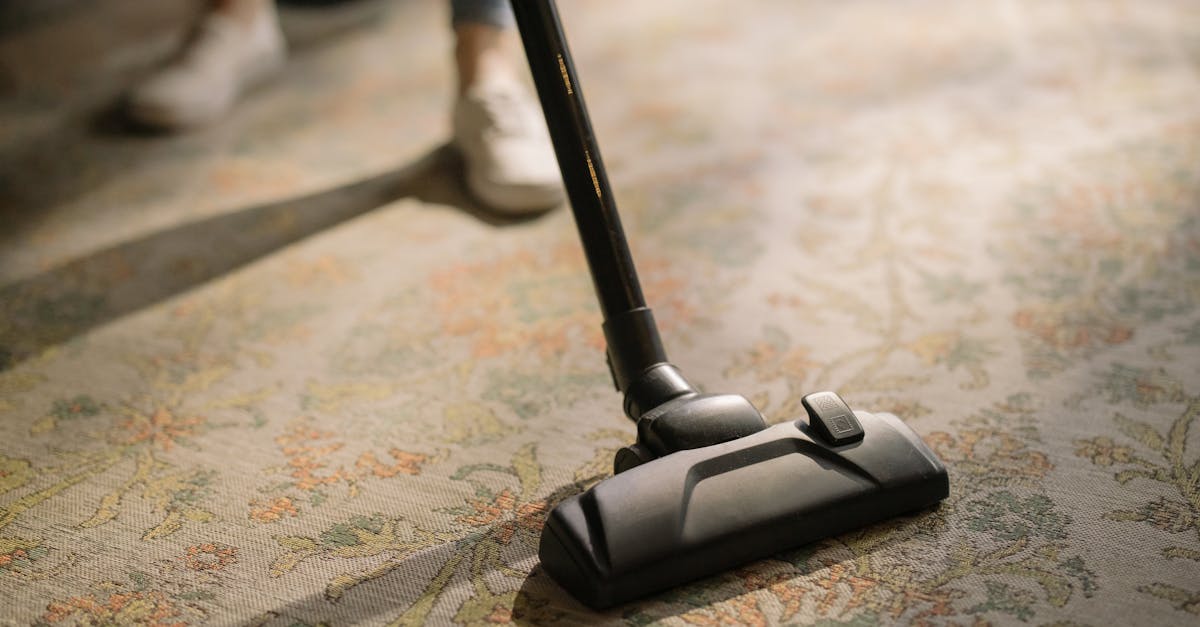
In addition to professional cleaning, routine vacuuming plays a vital role in carpet care. A thorough vacuuming at least once a week can help remove surface dirt and prevent the accumulation of debris. For households with pets or heavy foot traffic, increasing the frequency of vacuuming to two or three times a week can significantly improve the overall condition of the carpet.
Protecting Your Carpet
Maintaining the beauty and longevity of carpets requires careful attention to their environment. One effective strategy involves strategically placing furniture and utilizing area rugs to create a protective barrier. By distributing weight evenly, heavy furniture is less likely to create indentations. Area rugs can help shield high-traffic zones from wear and tear, providing an additional layer of defense against dirt and damage.
Regularly moving furniture can also diminish the risk of permanent indentations while allowing even wear across the carpet surface. When positioning area rugs, selecting colors and materials that complement existing decor enhances both aesthetics and functionality. This thoughtful approach not only preserves the carpet but also contributes to the overall ambiance of the space.
Furniture Placement and Area Rugs
Strategic furniture placement can significantly influence the longevity and appearance of your carpet. By distributing weight evenly, you can prevent wear and tear that results from heavy furniture resting in one spot for too long. Utilizing coasters or furniture pads can further alleviate pressure on carpet fibers, reducing the risk of indentations that may develop over time. Additionally, rearranging furniture periodically allows different sections of the carpet to experience wear uniformly, enhancing the overall aesthetic and durability.
Incorporating area rugs can serve as a practical solution to protect high-traffic areas. These rugs not only add an inviting layer of comfort but also offer an effective barrier against dirt and stains. Selecting rugs with durable, easy-to-clean materials ensures that your carpets remain less exposed to damage. When positioned strategically, area rugs can also draw attention to specific areas of a room, enhancing the decor while safeguarding the underlying carpet from everyday wear.
Spot Treatment for Accidental Spills
Accidental spills are an unfortunate reality of daily life. Acting quickly can significantly enhance the chances of restoring your carpet to its original state. Begin by blotting the area with a clean, dry cloth or paper towel. This helps soak up excess liquid without pushing it further into the fibers. Avoid scrubbing, as this can damage the carpet and spread the stain.
Once you've blotted the spill, choosing the right cleaning solution is crucial. Common household items like white vinegar or dish soap mixed with water can effectively address many spills. Apply the solution gently, using a small amount to avoid saturating the carpet. Blot again after applying the solution to lift the stain, and continue this process until the stain is no longer visible or significantly reduced.
Effective Methods for Common Spills
When dealing with coffee spills, the first step is to blot the area gently with a clean cloth. Avoid rubbing, as this can push the liquid deeper into the fibers. After blotting, mix a solution of mild dish soap and warm water. Use a clean cloth to apply the solution to the stain, continuing to blot until the stain lifts. Rinse the area with clean water and blot again to remove any leftover detergent.
For ink stains, acting quickly is essential. Dab the area with a cloth to absorb any excess ink. Then, use rubbing alcohol on a clean cloth to treat the spot. Gently dab without rubbing to avoid spreading. Continue this process until the ink begins to lift. Follow up by rinsing with water and blotting the area to remove any residue.
FAQS
How often should I have my carpets professionally cleaned?
It's generally recommended to have your carpets professionally cleaned every 12 to 18 months, but this can vary based on factors like foot traffic, pets, and allergies.
What can I do to protect my carpet after cleaning?
To protect your carpet, consider using area rugs in high-traffic areas, placing furniture strategically to reduce wear, and applying a carpet protector to help repel stains.
What should I do immediately after a spill on my carpet?
Act quickly by blotting the spill with a clean cloth or paper towel to absorb as much liquid as possible. Avoid rubbing the area, as this can damage the carpet fibers.
Are there any effective methods for treating common spills?
Yes, methods like using a mixture of mild dish soap and water for grease stains, or a vinegar-water solution for wine spills can be effective. Always test any solution on an inconspicuous area first.
How can furniture placement influence the longevity of my carpet?
Strategic furniture placement can help prevent excessive wear in specific areas. Ensure heavy furniture has coasters or protective pads, and rearrange furniture periodically to distribute foot traffic evenly.
Related Links
Carpet Care Routines: What to Do After Steam CleaningPreventing Stains and Damage After Carpet Steam Cleaning
Guidelines for Ensuring Quick Drying of Cleaned Carpets
Recommended Products for Post-Steam Carpet Maintenance
The Importance of Airing Out Carpets After Cleaning
Tips for Protecting Your Carpets Following Steam Treatment
Steps to Enhance Carpet Longevity Post-Cleaning