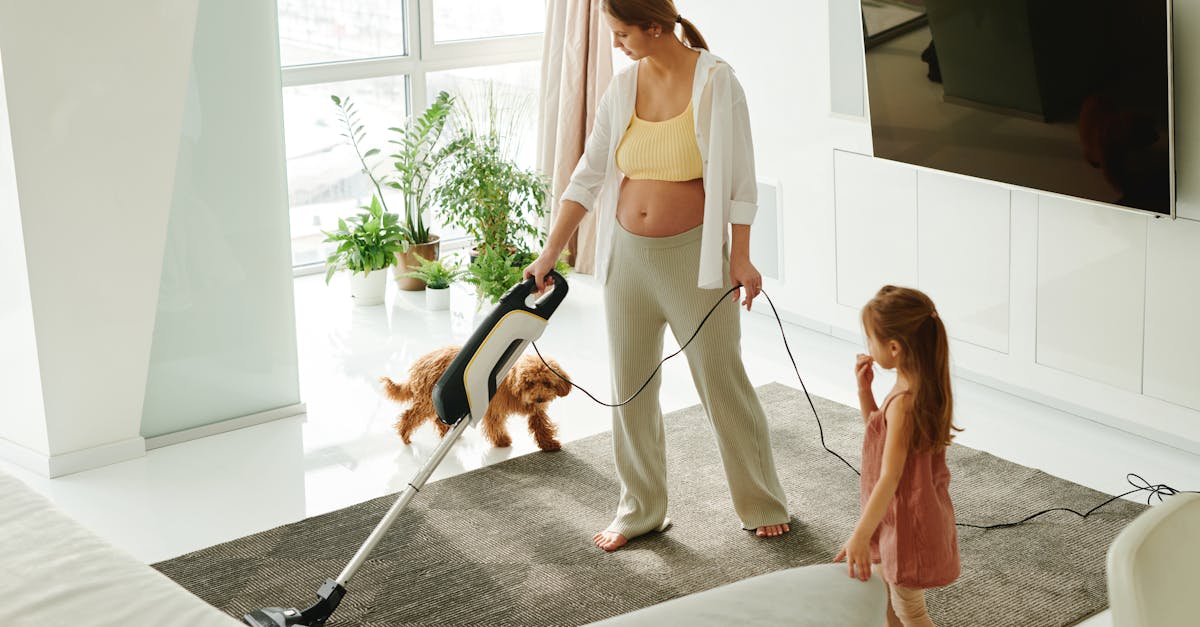
Preventing Stains and Damage After Carpet Steam Cleaning
Table Of Contents
Dealing with Common Post-Cleaning Issues
After a thorough carpet steam cleaning, homeowners often face a few challenges. One common issue is residual moisture, which can lead to mold and mildew growth if not addressed promptly. It’s advisable to enhance airflow in the room by opening windows and using fans to accelerate the drying process. Elevating furniture off the wet carpet with coasters or blocks can also help prevent rust and stains on your furnishings.
Another concern is the possibility of stains resurfacing after the cleaning. This can occur if the underlay absorbed the stain or if inadequate rinsing left cleaning agents in the carpet fibers. Blotting up excess moisture with clean towels can mitigate this risk. If stains reappear, it's important to treat them promptly with the appropriate cleaning solution while avoiding excessive rubbing, which can damage the carpet fibers.
How to Handle Wet Carpets
After a steam cleaning session, it is crucial to address damp carpets promptly. The first step involves ensuring adequate airflow through the room. Open windows and doors if possible, and consider using fans or dehumidifiers to expedite drying. The longer a carpet remains wet, the higher the risk of mold and mildew development. Blotting with absorbent towels can help remove excess moisture. This quick action prevents deeper penetration of water into the carpet fibers.
Monitoring the drying process is essential. Touch the carpet regularly to check moisture levels. If the carpet feels damp after a few hours, continue the drying efforts. It's advisable to avoid walking on wet carpets to prevent dirt from embedding into the fibers. Once fully dry, vacuum to restore the pile and refresh the appearance, ensuring your carpet remains in good condition and ready for normal use.
Importance of Regular Maintenance
Regular maintenance is essential for preserving the appearance and longevity of carpets. Frequent vacuuming removes dirt and debris that can wear down fibers over time. Spills should be addressed promptly to prevent stains from setting in. Routine professional cleaning helps eliminate deep-seated dirt and allergens, ensuring a healthy indoor environment.
Incorporating easy habits into your cleaning routine can yield significant benefits. Using doormats at entryways reduces the amount of dirt tracked onto carpets. Encouraging a no-shoes policy indoors minimizes wear and tear. By establishing these practices, homeowners can maintain their carpets in excellent condition, ultimately saving on more extensive cleaning and replacement costs.
Key Habits for Keeping Carpets Clean
Maintaining carpet cleanliness requires consistent effort and simple habits. Regularly vacuuming high-traffic areas can prevent dirt from accumulating, which helps to prolong the life of the carpet. Spot cleaning spills immediately is essential for minimizing stains. Using a clean cloth or paper towel to blot the area can prevent deeper penetration of the liquid.
Another effective habit is to implement a no-shoes policy when indoors. This significantly reduces the amount of dirt and allergens brought in from outside. Additionally, rotating furniture periodically helps in distributing wear and tear across the carpet, ensuring that no particular area becomes overly worn. These practices create a solid foundation for a cleaner and healthier living space.
Choosing the Right Carpet Care Products
Selecting effective carpet care products is crucial for maintaining the longevity and appearance of your carpets. Look for cleaners specifically formulated for your carpet type, whether it's synthetic or natural fibers. It's essential to consider the product's pH level to prevent damage. A neutral pH cleaner is less likely to cause fading or degradation, ensuring your carpets remain vibrant and durable over time.
In addition to effectiveness, safety should also be a priority. Many carpet cleaners contain harsh chemicals that can irritate allergies or harm pets. Opt for eco-friendly and non-toxic options whenever possible. Reading labels carefully can help identify key ingredients to avoid. Focusing on products with biodegradable components not only protects your health but also contributes to a more sustainable choice for your home.
Ingredients to Look for in Carpet Cleaners
When selecting carpet cleaners, keep an eye out for specific ingredients that effectively tackle stains and odors. Enzymatic cleaners contain enzymes that break down organic materials, making them particularly useful for pet messes. Surfactants help lift dirt and grime from carpet fibers, ensuring a deep clean without damaging the carpet. Additionally, look for plant-based or biodegradable ingredients, which are often gentler on both your carpets and the environment.
Another important aspect to consider is the presence of non-toxic and hypoallergenic formulations. These ingredients minimize the risk of allergic reactions, making them a safer option, especially in homes with children or pets. Fragrance-free alternatives can also be beneficial, as they reduce the likelihood of irritation while still effective in neutralizing odors. Choosing the right ingredients lays the foundation for maintaining your carpets’ beauty and longevity.
FAQS
What should I do if my carpet is still wet after steam cleaning?
If your carpet remains wet after steam cleaning, ensure proper ventilation by opening windows and using fans to help speed up the drying process. You can also use a dehumidifier to reduce moisture in the air.
How often should I steam clean my carpets to prevent stains and damage?
It is generally recommended to steam clean your carpets every 6 to 12 months, depending on foot traffic and usage. Regular maintenance can help remove dirt and stains before they set in.
What are some key habits for keeping my carpets clean after steam cleaning?
To maintain clean carpets, consider implementing habits such as using doormats to reduce dirt transfer, vacuuming regularly, addressing spills immediately, and scheduling professional cleanings periodically.
What ingredients should I look for in carpet care products to prevent stains?
Look for carpet care products that contain biodegradable ingredients, are free from harsh chemicals, and include stain-fighting agents like enzymatic cleaners, which can help break down and remove tough stains.
Can I use home remedies for carpet cleaning instead of professional products?
While some home remedies may be effective for minor stains, they may not always provide the deep cleaning benefits of professional products. It's best to use them cautiously and test on a small area first to ensure they do not damage your carpet.
Related Links
Essential Post-Cleaning Procedures for Optimal Carpet HealthHow to Maintain Your Carpets After Steam Cleaning
Guidelines for Ensuring Quick Drying of Cleaned Carpets
Recommended Products for Post-Steam Carpet Maintenance
The Importance of Airing Out Carpets After Cleaning