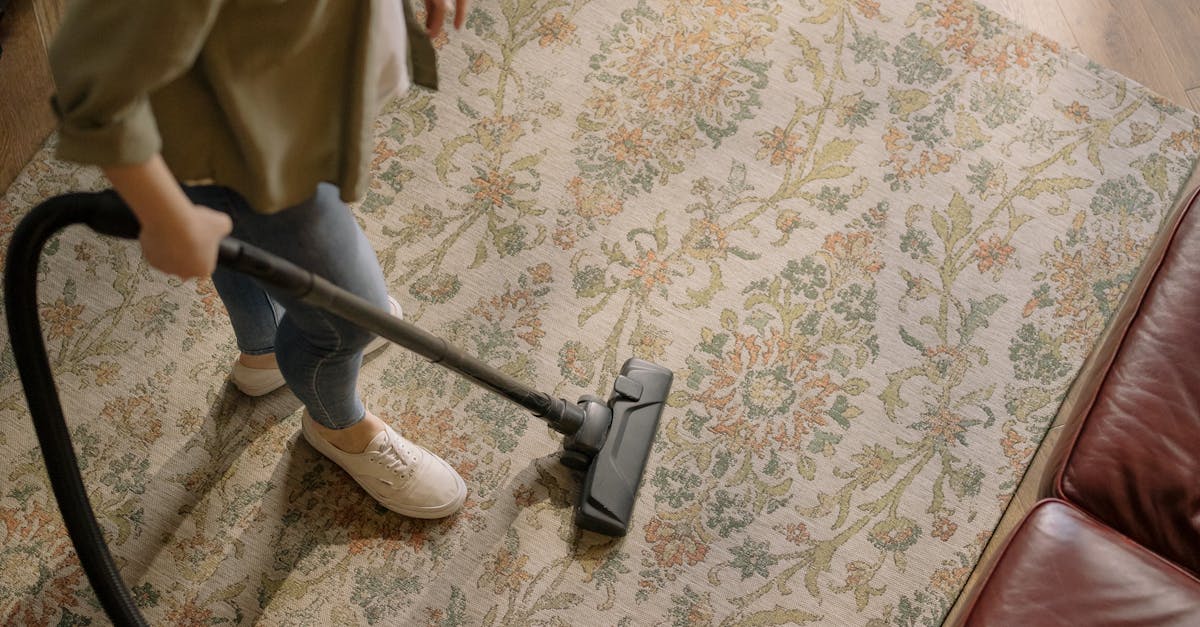
Elevate Your Décor with Pristine Carpets
Table Of Contents
Enhancing Comfort with Plush Carpets
Plush carpets offer a luxurious feel that enhances the overall comfort of any space. Their soft textures create a welcoming atmosphere while providing a cozy surface underfoot. Ideal for living rooms, bedrooms, and other relaxation areas, these carpets contribute significantly to a home’s warmth and inviting ambiance. Walking on a plush carpet can be akin to stepping onto a cloud, making it a popular choice for families and individuals seeking a comfortable haven.
In addition to their tactile appeal, plush carpets also offer practical benefits. They can help with noise reduction, absorbing sounds and creating a quieter environment. This makes them particularly effective in spaces where tranquility is essential, such as nurseries or home offices. Moreover, the cushioning provided by plush carpets can aid in reducing fatigue for those who spend considerable time standing or moving around. The overall effect is a harmonious blend of comfort and functionality that enhances everyday living.
The Benefits of Soft Underfoot Surfaces
Soft underfoot surfaces provide a sense of luxury that enhances any living space. Walking on plush carpets can create a cozy atmosphere, inviting people to relax and enjoy their surroundings. The comfortable feel underfoot contributes to a welcoming environment, making it ideal for family gatherings and informal get-togethers.
Additionally, these surfaces offer practical benefits such as sound absorption. Carpets can dampen noise levels in a room, which is particularly advantageous in households with children or pets. Their ability to reduce echo and provide a quieter ambiance contributes significantly to overall comfort and tranquility in the home.
Eco-Friendly Carpet Options
There is an increasing demand for carpets made from sustainable materials. Many manufacturers now offer options crafted from recycled fibers, organic wool, and natural plant-based materials. These carpets not only minimize environmental impact but also enhance indoor air quality. Consumers can make choices that align with their values while still enjoying stylish and comfortable flooring solutions.
Additionally, eco-friendly carpets often come with certifications that guarantee sustainable practices in their production. Look for labels such as Green Label Plus or Cradle to Cradle. These designations ensure that the carpets are produced with lower emissions and without harmful chemicals. Such certified products provide peace of mind for those aiming to create a healthier living space.
Sustainable Materials for Conscious Consumers
Choosing carpets made from sustainable materials reflects a growing commitment to the environment. Natural fibers such as wool, jute, and sisal not only contribute to a healthier home but also minimize ecological impact. Wool, for instance, is renewable and biodegradable, making it a smart choice for those looking to enhance their décor sustainably. Meanwhile, jute and sisal carpets add an earthy texture, creating a warm atmosphere while being more eco-friendly than synthetic options.
Additionally, many modern carpets are now produced using recycled materials, offering consumers another sustainable choice. Recycled nylon or polyester carpets can come from post-consumer waste, reducing the reliance on new resources. These innovative products maintain durability and aesthetic appeal while promoting a circular economy. By selecting carpets crafted from these eco-conscious materials, consumers can enjoy beautiful and comfortable spaces that align with their values.
Carpets for High-Traffic Areas
Choosing the right carpet for high-traffic areas requires careful consideration. These spaces necessitate materials that can withstand heavy use without sacrificing style. Stain-resistant and durable fibers like nylon or polypropylene are ideal for active households. Both options offer resilience and ease of maintenance. A well-chosen carpet can enhance the aesthetic appeal of a room while maintaining its integrity despite daily wear.
Texture and pattern also play significant roles when selecting carpets for busy areas. A darker color or an intricate design can effectively disguise dirt and stains, prolonging the carpet's lifespan. Loop pile carpets provide an excellent choice for resilience, making them perfect for hallways and living rooms. Shaggy rugs might provide comfort but can become matted quickly in high-traffic settings. Prioritizing functionality alongside design ensures that both form and practicality coexist harmoniously in your home.
Selecting Durable Options for Busy Homes
In busy households, the choice of carpet plays a crucial role in maintaining both functionality and style. Selecting a carpet made from synthetic fibers, such as nylon or polyester, can greatly enhance durability. These materials are not only resilient but also resistant to stains, making them ideal for families with children and pets. The looped or berber styles provide added durability, as they minimize wear and tear while still offering a comfortable surface.
When considering options, look for carpets with a higher face weight and density. These features indicate the carpet's quality and its ability to withstand foot traffic. Additionally, performance ratings such as the Carpet and Rug Institute’s (CRI) Green Label Plus certification can guide buyers toward products that are both durable and environmentally friendly. Investing in quality underlays can further prolong the life of the carpet and provide extra cushioning for added comfort.
FAQS
What are the main benefits of using plush carpets in home décor?
Plush carpets enhance comfort by providing a soft and cushioned surface, making your spaces feel warmer and more inviting. They also help with sound insulation and can add a touch of luxury to any room.
How do eco-friendly carpets differ from traditional carpets?
Eco-friendly carpets are made from sustainable materials and production processes that minimize environmental impact. They often use natural fibers, non-toxic dyes, and adhesives, making them safer for both the environment and indoor air quality.
What types of carpets are best for high-traffic areas?
For high-traffic areas, it’s best to choose durable carpets made from strong materials such as nylon or polyester. Look for carpets with tight weaves and stain-resistant treatments to ensure they withstand heavy use.
How can I ensure my carpet stays clean and lasts longer?
Regular vacuuming, prompt stain removal, and periodic professional cleanings can help maintain your carpet's appearance and prolong its lifespan. Additionally, using area rugs in high-traffic zones can protect your carpet from wear.
Are there specific materials recommended for sustainable carpets?
Yes, some popular sustainable materials for carpets include wool, jute, sisal, and recycled fibers. These options not only reduce environmental impact but also provide unique textures and styles for your décor.
Related Links
The Role of Carpet Cleaning in Interior Design AppealSpotless and Stunning: The Impact of Steam Cleaning on Home Interiors
A Fresh Carpet for a Fresh Perspective on Your Living Space
The Artistic Touch: How Clean Carpets Enhance Home Comfort
Revitalising Your Carpets: A Guide to Enhanced Freshness
Achieving a Like-New Look for Your Carpets
How Steam Cleaning Revives Dull Carpets
Transforming Your Space: The Visual Benefits of Steam Cleaning