The Role of Carpet Cleaning in Interior Design Appeal
Table Of Contents
Color Psychology in Carpet Choices
The selection of carpet colors significantly influences the mood and ambiance of a room. Warm tones, such as reds and yellows, create an inviting and energizing atmosphere, while cooler shades like blues and greens offer a sense of calm and tranquility. These psychological effects of color can guide interior design choices, enhancing the desired feeling in a space. Neutral hues provide versatility, allowing for easy integration with various decor styles and color palettes, making them a popular choice for modern interiors.
Incorporating bold colors can serve as a statement piece, drawing attention and highlighting particular areas within a room. When combined with the right furnishings and accessories, these vibrant carpets can become focal points that enhance the overall aesthetic. Understanding the importance of color psychology can help homeowners and designers make informed decisions about carpet choices, ensuring the final result aligns with the intended emotional impact of the space.
How Carpet Color Affects Room Atmosphere
The choice of carpet color significantly influences the overall atmosphere of a room. Warm tones such as reds and oranges can create an inviting and cozy environment, while cooler shades like blues and greens evoke a sense of calm and tranquility. Lighter colors can make spaces feel more open and airy, contributing to a bright and cheerful atmosphere. Conversely, darker shades may lend a more sophisticated and intimate feel, transforming a room into a retreat from the outside world.
Different color combinations also affect how furnishings and decorations are perceived within a space. For example, a neutral carpet allows vibrant furniture and art pieces to stand out, enhancing visual interest. On the other hand, a patterned carpet can act as a statement piece, dictating the room's overall design theme. Each choice contributes to creating a cohesive look that resonates with the intended emotional response, showcasing the power of color in shaping interior spaces.
Textures and Patterns
The choice of texture and pattern in carpets can significantly enhance the visual interest of a space. Textured carpets can create depth and add warmth, making a room feel more inviting. For instance, a plush, shaggy carpet can evoke a sense of comfort, while a sleek, flatweave option may lend an air of sophistication. Patterns, ranging from geometric designs to botanical motifs, can serve as focal points or complementary elements, influencing the overall aesthetic of the interior.
Incorporating various textures and patterns allows designers to play with contrast and harmony within a room. A bold patterned rug can stand out against muted furnishings, drawing attention and creating a dynamic interplay between elements of a design. Conversely, subtle textures can unify disparate elements, contributing to a cohesive overall theme. The thoughtful selection of carpet texture and pattern becomes a vital aspect of interior design, enhancing both style and functionality in living spaces.
The Role of Carpet Texture in Space Perception
The texture of carpet dramatically influences how a space is perceived. For instance, plush and thick carpets can create a sense of warmth and coziness, making areas feel more inviting and comfortable. Conversely, low-pile or flat weaves can contribute to a more streamlined, modern aesthetic. The tactile qualities of these materials also play a significant role in how individuals interact with their environment, enhancing the overall sensory experience of a room.
In addition to comfort, carpet texture can impact the visual dimensions of a space. Textured carpets can add depth, drawing the eye and creating intrigue, while smooth surfaces may lead to a more expansive feel. When paired with appropriate furnishings and colors, the right carpet texture helps to define areas within a room, guiding movement and influencing the flow of activity. Careful selection of texture not only enhances design but also sets the tone for how a space is utilized.
Environmental Considerations in Carpet Cleaning
Carpet cleaning is an essential aspect of maintaining aesthetic appeal, but it also carries significant environmental implications. Traditional cleaning methods often utilize harsh chemicals that can be detrimental to both health and the environment. As consumers become more eco-conscious, the demand for environmentally friendly cleaning solutions has risen sharply. Utilizing biodegradable and non-toxic products not only reduces harmful emissions but also contributes to healthier indoor air quality.
Adopting eco-friendly cleaning methods can involve various techniques, such as steam cleaning and dry cleaning, which require less water and eliminate the need for chemical agents. Additionally, regular maintenance routines can minimize the necessity for extensive cleaning, further decreasing environmental impact. Opting for sustainable practices not only enhances the longevity of carpets but also aligns with broader efforts toward environmental stewardship, benefitting both the home and the planet.
Eco-Friendly Products and Techniques
Sustainable carpet cleaning has gained traction as more homeowners prioritize eco-friendliness. Natural ingredients often replace harsh chemicals found in traditional cleaners. Options such as vinegar, baking soda, and castile soap provide effective cleaning solutions while reducing environmental impact. Many manufacturers also offer commercial cleaning products formulated with biodegradable and non-toxic materials, ensuring safety for both the users and the planet.
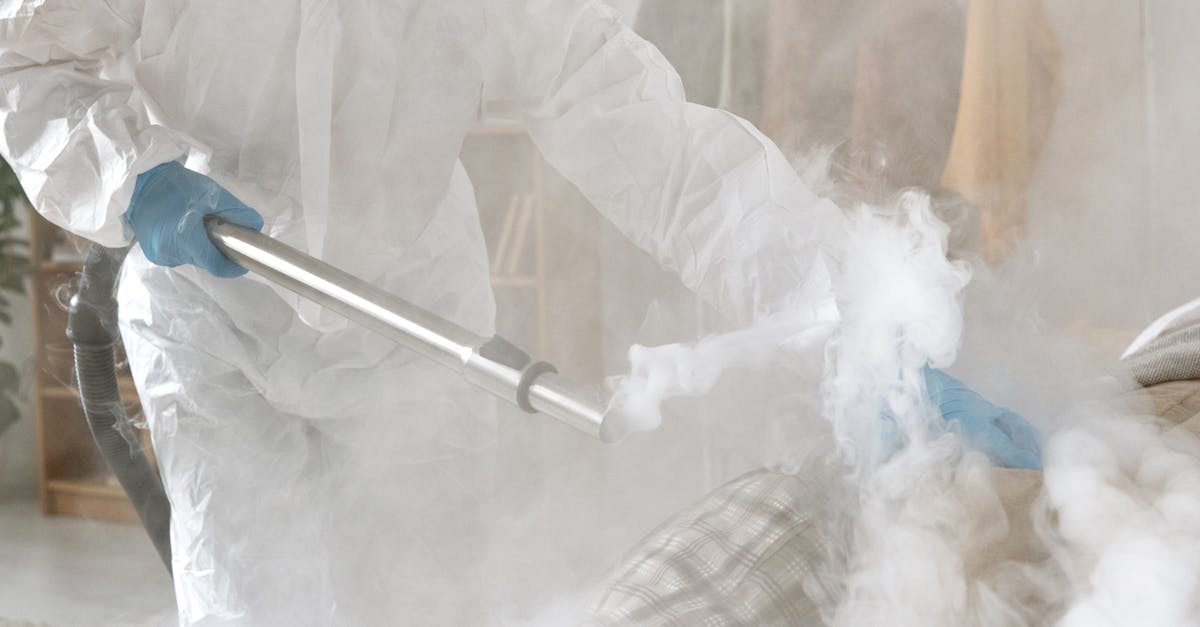
Techniques such as steam cleaning are not only efficient but also eliminate the need for chemical detergents. High-temperature steam cleans carpets effectively while sanitizing surfaces. Regular maintenance with eco-friendly practices can prolong the life of carpets, minimizing waste and contributing to a healthier indoor environment. By choosing sustainable methods, individuals elevate their commitment to responsible living without sacrificing cleanliness or aesthetic appeal.
FAQS
Why is carpet cleaning important for interior design?
Carpet cleaning is essential for maintaining the aesthetic appeal of a space, as it removes dirt, stains, and allergens that can detract from the overall design and ambiance of a room.
How does carpet color influence the perception of a room?
Carpet color can significantly affect the atmosphere of a room. Lighter colors can make a space feel larger and more open, while darker shades can create a cozy and intimate environment.
What role do textures play in carpet selection for interior design?
Textures in carpets can enhance the sensory experience of a room. Different textures can add depth, contrast, and interest, making a space feel more dynamic and inviting.
Are there eco-friendly options for carpet cleaning?
Yes, there are several eco-friendly products and techniques available for carpet cleaning, such as using biodegradable cleaners and steam cleaning methods that reduce chemical use and environmental impact.
How often should carpets be cleaned to maintain their appearance?
It is generally recommended to clean carpets at least once a year, but high-traffic areas may require more frequent cleaning to keep them looking their best and to prolong their lifespan.
Related Links
Achieving a Like-New Look for Your CarpetsElevate Your Décor with Pristine Carpets
A Fresh Carpet for a Fresh Perspective on Your Living Space
The Artistic Touch: How Clean Carpets Enhance Home Comfort
Revitalising Your Carpets: A Guide to Enhanced Freshness
Spotless and Stunning: The Impact of Steam Cleaning on Home Interiors
How Steam Cleaning Revives Dull Carpets
Transforming Your Space: The Visual Benefits of Steam Cleaning
Boost Your Home's Aesthetic with Professional Carpet Cleaning