Essential Equipment for Effective Dry Steam Cleaning
Table Of Contents
Safety Precautions When Using Steam Cleaners
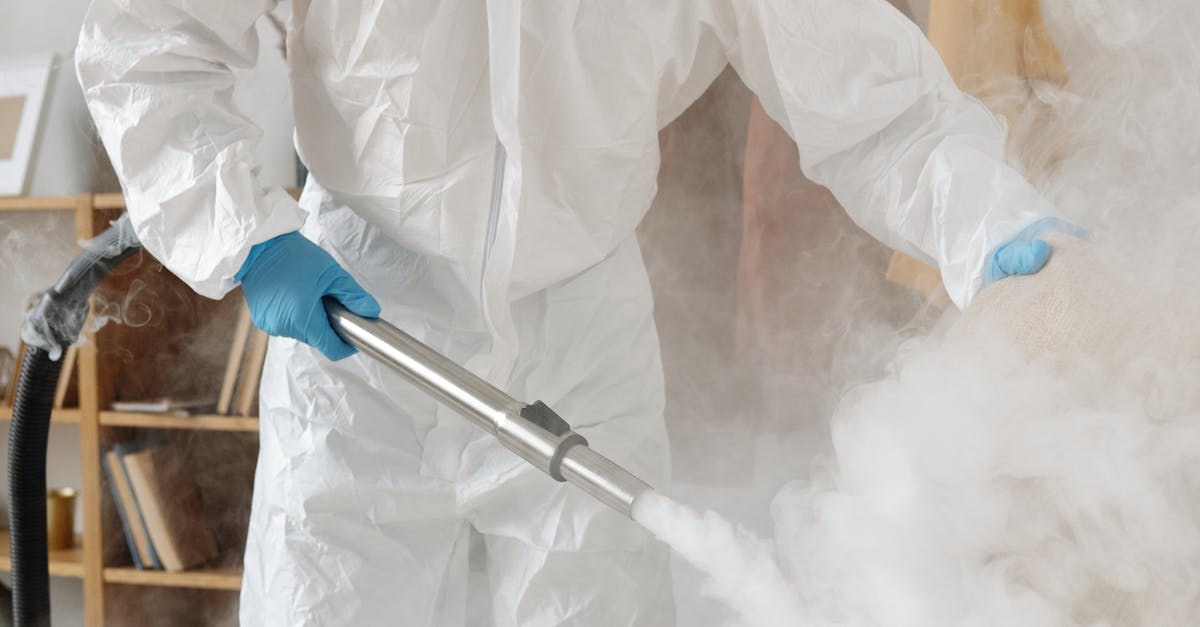
Using steam cleaners requires careful attention to safety measures. Always wear appropriate personal protective equipment, including gloves and goggles, to shield yourself from hot steam and potential splashes. Ensure that the steam cleaner is placed on a stable surface and away from the edges to prevent accidental tipping. Keep children and pets at a safe distance while operating the machine. Heed all manufacturer instructions regarding usage to avoid mishaps.
Before starting your cleaning task, inspect the steam cleaner for any signs of damage. A damaged machine can lead to dangerous malfunction during operation. Properly maintain your equipment by regularly checking hoses and connections for leaks. Additionally, never attempt to open the steam cleaner’s cap while it is still under pressure. Allow it to cool down before inspecting or performing maintenance to avoid burns or injuries.
Best Practices to Follow
Maintaining a clean and organized workspace is crucial when using steam cleaners. Before starting, ensure that the area is free of any obstructions or loose items that could become hazards. Wearing appropriate personal protective equipment, such as gloves and goggles, can prevent potential injuries from high temperatures and pressurized steam. Always refer to the manufacturer’s guidelines regarding the operation and maintenance of the equipment to ensure safe and effective use.
Regularly checking and maintaining the steam cleaner itself enhances its performance and lifespan. Inspect hoses for leaks or kinks that might hinder steam flow. Ensure water reservoirs are filled with distilled water to avoid mineral buildup, which can impact efficiency. Using the correct attachments for specific tasks maximizes cleaning effectiveness and minimizes damage to surfaces. Following these practices can lead to a more efficient cleaning experience.
Preparing Surfaces for Steam Cleaning
Before initiating the steam cleaning process, it's essential to properly prepare the surfaces that will be treated. This involves removing any loose debris, dirt, or grime that may have accumulated. Thoroughly sweeping, vacuuming, or dusting the area ensures that the steam cleaner can effectively target stubborn stains and sanitize the surface. Additionally, it's advisable to inspect for any damage or delicate areas that require special attention to avoid further harm during the cleaning process.
Taking a moment to consider the material type is crucial in achieving optimal results. Different surfaces, such as tile, carpets, or upholstery, respond uniquely to steam cleaning techniques. Adjusting the steam pressure settings and using appropriate attachments can maximize the efficacy of the cleaning session. Additionally, some surfaces may benefit from a pre-treatment or a specific cleaning solution to enhance the steam's effectiveness in breaking down stubborn stains.
Steps to Ensure Effective Treatment
When preparing for steam cleaning, the first step is to ensure that all surfaces are clear of any obstacles and debris. This preparation allows for an unobstructed cleaning process and helps to prevent any damage to belongings. Assessing the area for any delicate items is also crucial, as certain materials may not withstand steam exposure without protection.
Next, it is important to test the steam cleaner on a small, inconspicuous area before proceeding with the entire surface. This step helps to gauge how the material reacts to steam, providing insight into the appropriate pressure and temperature settings needed for optimal cleaning. Maintaining a consistent distance between the steam nozzle and the surface will ensure effective treatment without risking burns or damage.
Cleaning Techniques for Different Surfaces
Understanding the unique characteristics of different surfaces is crucial for effective steam cleaning. For hard surfaces like tiles and sealed wood, a direct approach works well. Using the steam cleaner at a 90-degree angle allows for optimal penetration into cracks and crevices. However, care must be taken to avoid overheating any surface, especially sensitive materials.
Soft surfaces, such as upholstery and carpets, require a gentler touch. A lower steam setting and a microfiber cloth attachment can help avoid damage while still ensuring effective cleaning. Always perform a spot test on a less visible area to check for any adverse reactions. This technique allows steam to effectively lift dirt and grime without compromising the integrity of the fabric.
Tailoring Your Approach to Material Types
Different materials require specific cleaning approaches to achieve optimal results and avoid damage. For example, upholstery fabrics can be sensitive to heat and moisture, necessitating the use of lower pressure settings and an appropriate attachment to protect fibers. It is essential to test a small, inconspicuous area before applying steam to the entire surface, ensuring compatibility and safety.
Hard surfaces like tile and stone are generally more resilient, allowing for a more aggressive treatment. Utilizing a higher pressure setting can effectively remove stubborn grime and buildup. However, attention must still be paid to the type of finish on the surface, as some materials may require a gentler touch to prevent scratching or dulling. Overall, adjusting your technique based on the surface type enhances the effectiveness of steam cleaning.
FAQS
What types of steam cleaners are best for dry steam cleaning?
The best types of steam cleaners for dry steam cleaning are those specifically designed to produce low-moisture steam, often referred to as dry steam cleaners. These machines typically have high-pressure capabilities and can effectively clean surfaces without leaving excess moisture.
Are there any safety precautions I should take when using a steam cleaner?
Yes, it is important to wear protective gear such as gloves and goggles, ensure proper ventilation in the area, and follow the manufacturer’s instructions. Always handle the steam cleaner with care to avoid burns from hot steam.
How should I prepare surfaces before steam cleaning?
To prepare surfaces for steam cleaning, first remove any loose debris or dirt. It’s also advisable to test a small, inconspicuous area to ensure the material can withstand steam cleaning without damage.
What steps can I follow to ensure effective steam cleaning treatment?
Effective steam cleaning treatment involves pre-treating heavily soiled areas, using the appropriate attachment for the surface, maintaining a consistent distance from the surface, and allowing sufficient time for the steam to penetrate and clean effectively.
Can I use dry steam cleaning on all types of surfaces?
While dry steam cleaning is safe for many surfaces, it’s important to tailor your approach based on the material type. For example, hard surfaces like tile and grout respond well, while delicate fabrics may require caution or an alternative cleaning method. Always check the manufacturer's recommendations for specific materials.
Related Links
Addressing Common Misconceptions About Dry Steam CleaningTips for Preparing Your Home for Dry Steam Cleaning Services
Evaluating the Results: Dry Steam Cleaning Before and After
The Role of Dry Steam Cleaning in Carpet Maintenance
How to Choose the Right Dry Steam Cleaning Service in Brisbane
How Dry Steam Cleaning Works for Stubborn Stains