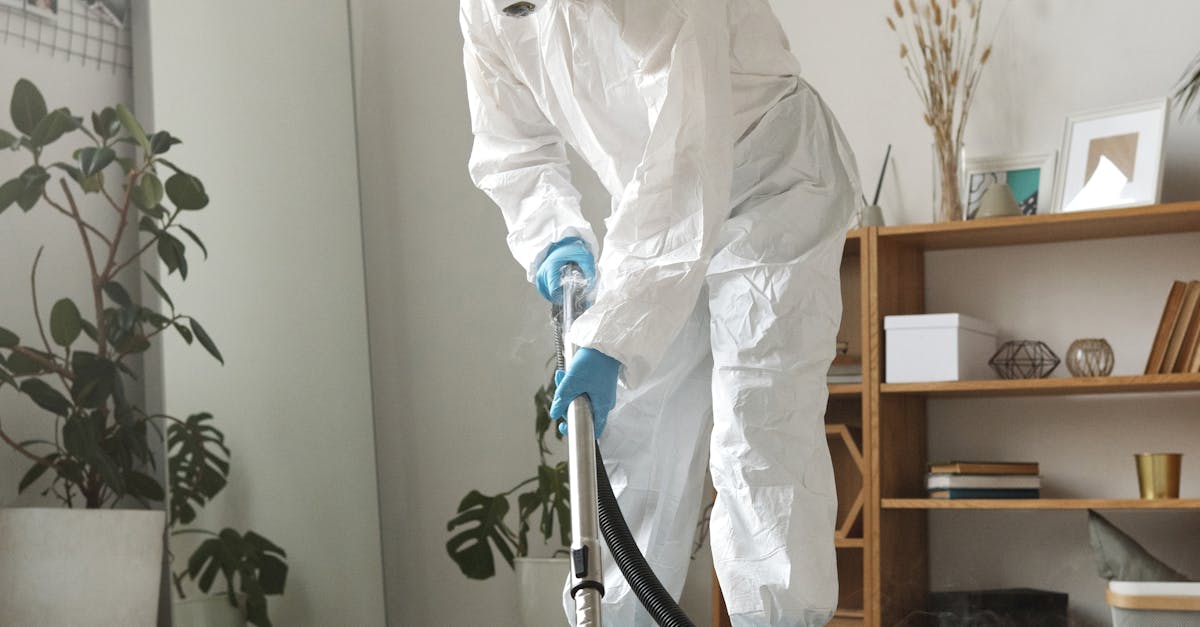
Evaluating the Results: Dry Steam Cleaning Before and After
Table Of Contents
Common Misconceptions About Dry Steam Cleaning
Many people believe that dry steam cleaning is ineffective due to the absence of traditional wet cleaning agents. This misconception stems from a lack of understanding of how steam cleaning works. The high temperatures of steam eliminate dirt, grime, and most pathogens effectively, making it a powerful cleaning method that does not rely on chemicals.
Another common myth suggests that dry steam cleaning can damage surfaces. In reality, when used correctly, steam cleaning is safe for a variety of materials such as carpets, upholstery, and hard floors. The key lies in using the appropriate temperature settings and techniques tailored to each surface. This versatility makes dry steam cleaning a suitable option for various cleaning needs without the risk of damage.
Addressing Myths and Clarifying Facts
Many people believe that dry steam cleaning is ineffective compared to traditional cleaning methods. This stems from a misunderstanding of how steam cleaning operates. In reality, the high-temperature steam produced can eliminate dirt, allergens, and even bacteria, providing a thorough clean without the need for harsh chemicals. The process doesn't just surface clean; it penetrates deep into fabric and porous materials, ensuring a more hygienic environment.
Another misconception involves the perception that dry steam cleaning will leave surfaces wet and damp. In fact, when properly executed, the amount of moisture used is minimal, allowing most surfaces to dry quickly. This quick-drying capability helps prevent mold growth and reduces downtime in spaces such as homes, offices, and commercial establishments. By clarifying these myths, individuals can make informed decisions about their cleaning methods.
Maintaining Cleanliness Post Dry Steam Cleaning
After completing dry steam cleaning, maintaining a clean environment requires consistent practices. Regularly scheduled cleaning sessions can help prolong the effects of the steam cleaning process. Utilizing doormats at entry points can reduce dirt and debris being tracked indoors. Additionally, encouraging a no-shoes policy inside can further protect surfaces from contamination.
Implementing simple daily habits also contributes to a fresh atmosphere. Wiping down surfaces with a damp cloth can eliminate lingering allergens and dust. Addressing spills immediately minimizes potential stains and odors. Keeping clutter to a minimum facilitates easier cleaning and enhances the overall aesthetic of the space. These strategies can collectively create a healthier living or working environment.
Tips for Sustaining a Fresh Environment
Creating a fresh environment after dry steam cleaning involves more than just the initial cleaning process. Regular maintenance plays a crucial role in sustaining cleanliness. Establishing a routine schedule for cleaning prevents accumulation of dirt and grime. Effective use of natural air fresheners can also help maintain a pleasant atmosphere. Indoor plants contribute to improving air quality and add a touch of nature to any space.
It's vital to ensure proper ventilation in the area to avoid lingering odors or dampness. Opening windows or using exhaust fans can improve airflow, making the environment more comfortable. Keeping surfaces clutter-free makes it easier to maintain cleanliness and improves overall aesthetics. Utilizing washable fabrics for decor can also simplify the cleaning process. With these strategies, one can enjoy a consistently fresh and inviting space.
Comparing Costs
When evaluating various cleaning methods, the cost analysis extends beyond just the initial investment. Dry steam cleaning machines often require a higher upfront cost compared to traditional cleaning equipment. However, these machines can lead to significant savings over time since they use minimal water and no chemicals. The reduced need for cleaning supplies can lower ongoing expenses, making dry steam cleaning a financially viable option in the long run.
Considering the longevity of the cleaning results is essential in this cost comparison. Dry steam cleaning effectively eliminates germs and dirt, which can reduce the frequency of deep cleanings. This long-lasting cleanliness can result in less wear and tear on surfaces, saving on potential replacement costs. Therefore, while the initial purchase might seem steep, the cumulative benefits can outweigh the early financial outlay, making dry steam cleaning a worthwhile investment for many households and businesses.
Analyzing Long-Term Savings and Value
When considering the financial implications of dry steam cleaning, it is essential to evaluate both direct and indirect costs associated with various cleaning methods. Although the initial investment in a dry steam cleaning system may be higher, this approach often leads to long-term savings. Reduced usage of chemicals contributes to lower recurring expenses. Additionally, the efficiency of steam cleaning can lead to decreased labor costs, as it typically requires less time to achieve the same or better results compared to traditional cleaning methods.
Furthermore, the durability of surfaces cleaned with steam can enhance their lifespan, leading to fewer replacements and repairs. By minimizing wear and tear, users save money on maintenance in the long run. In commercial settings, the ability to maintain a consistently clean and sanitized environment can also lead to higher customer satisfaction and retention. These factors collectively illustrate the potential value of investing in dry steam cleaning as a sustainable cleaning solution.
FAQS
What is dry steam cleaning?
Dry steam cleaning is a method that uses high-temperature steam to clean and sanitize surfaces without the need for excessive water or chemicals. It effectively removes dirt, grime, and bacteria, making it an eco-friendly cleaning option.
How does dry steam cleaning compare to traditional cleaning methods?
Unlike traditional cleaning methods that often use large amounts of water and chemical cleaners, dry steam cleaning uses minimal water and relies on the heat of the steam to lift and eliminate dirt and allergens. This can result in a more thorough clean and is often safer for both the environment and indoor air quality.
Are there any surfaces that should not be cleaned with dry steam?
While dry steam cleaning is versatile, it is not suitable for all surfaces. Avoid using it on delicate materials like unsealed wood, certain textiles, or surfaces that can be damaged by intense heat or moisture. Always check manufacturer guidelines before cleaning.
How can I maintain cleanliness after dry steam cleaning?
To sustain a fresh environment after dry steam cleaning, regularly dust and vacuum surfaces, maintain proper humidity levels, and consider implementing a routine cleaning schedule to prevent the build-up of dirt and allergens over time.
Is dry steam cleaning cost-effective in the long run?
Yes, while the initial investment in a dry steam cleaner may be higher than traditional cleaning tools, the long-term savings can be significant. Dry steam cleaning reduces the need for chemical cleaners, minimizes water usage, and can extend the life of surfaces, ultimately leading to cost savings over time.
Related Links
The Role of Dry Steam Cleaning in Carpet MaintenanceThe Process of Dry Steam Cleaning: What to Expect
How to Choose the Right Dry Steam Cleaning Service in Brisbane
Addressing Common Misconceptions About Dry Steam Cleaning
Essential Equipment for Effective Dry Steam Cleaning