Eco-Friendly Upholstery Steam Cleaning Practices in Brisbane
Table Of Contents
The Role of Professional Cleaners
Professional cleaners possess specialized knowledge and experience in the field of upholstery cleaning. They understand various fabric types and the most effective techniques for treating different materials. This expertise ensures that the furniture is not only cleaned effectively but also preserved, extending its life and maintaining its appearance.
Incorporating eco-friendly practices into their cleaning processes is a hallmark of reputable professional services. Many use non-toxic, biodegradable cleaning agents that are safe for both the environment and indoor air quality. By choosing these professionals, homeowners contribute to environmental sustainability while ensuring thorough and safe cleaning of their upholstery.
Why Hiring Experts Matters for Eco-Friendly Practices
Professionals in the upholstery cleaning industry possess extensive knowledge of eco-friendly products and techniques. They understand the importance of using non-toxic solutions that are safe for both the environment and human health. By hiring experts, homeowners can ensure that harmful chemicals do not contribute to indoor air pollution or leak into local water systems during the cleaning process. This expertise allows for effective stain removal and maintenance while prioritizing sustainable practices.
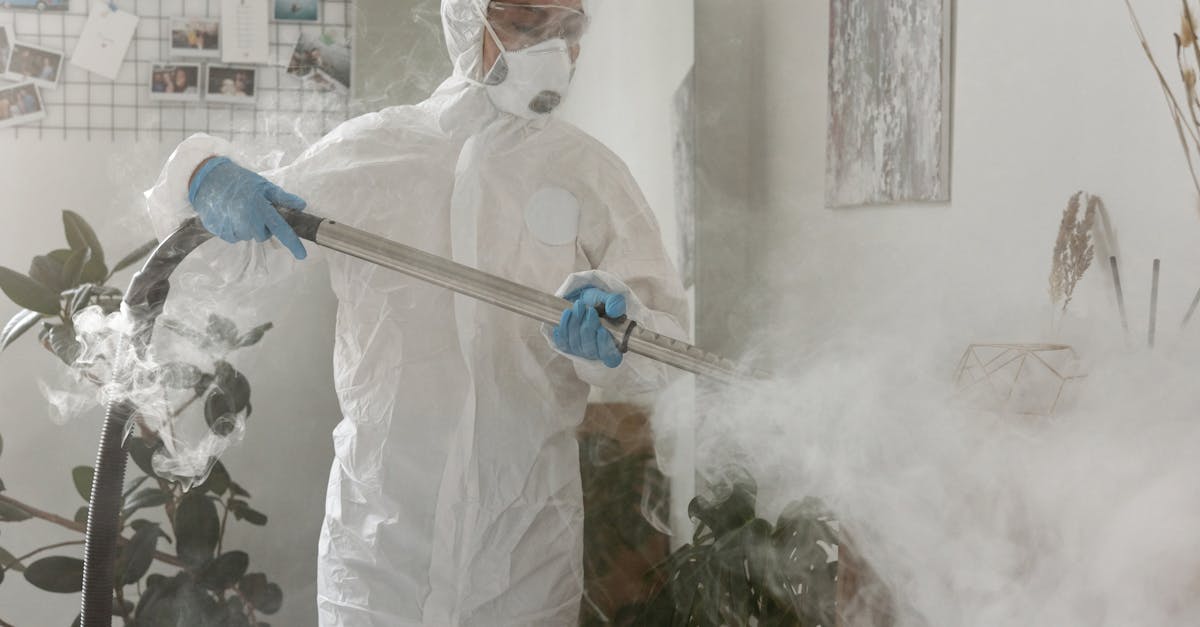
In addition to product knowledge, professional cleaners are equipped with specialized tools that enhance cleaning without compromising environmental standards. High-efficiency steam cleaning machines utilize less water than traditional methods, minimizing waste. These professionals also follow techniques designed to prolong the lifespan of upholstery, reducing the need for replacement and consumption of new materials. By choosing to hire experts, individuals contribute to a larger movement towards sustainability in cleaning practices.
DIY Upholstery Cleaning Tips
Maintaining upholstery cleanliness at home doesn't have to rely on professional services. Simple methods that utilize natural ingredients can be incredibly effective. For routine maintenance, try vacuuming regularly to remove dust and debris. This step helps keep allergens at bay and prolongs the life of your furniture. When deeper cleaning is needed, a mix of equal parts water and white vinegar can serve as a powerful yet gentle solution. This not only cleans but also deodorizes the fabric, leaving it fresh.
For stains, quick action can prevent discoloration. Blotting with a cloth dampened in a mixture of water and mild dish soap works well for most spills. Apply the solution lightly and avoid soaking the fabric. Rinse with a separate cloth moistened with plain water to remove any soap residue. Using these DIY techniques, homeowners can effectively keep their upholstery looking great while minimizing the environmental impact associated with harsher chemicals.
Simple Eco-Friendly Methods for Home Cleaning
Creating a clean home environment can be achieved with eco-friendly methods that are both effective and safe for the planet. One simple approach involves using a solution of white vinegar and water. This mixture serves as a natural disinfectant and deodorizer. It can safely be applied to fabric surfaces, helping to break down dirt and remove stains without the use of harsh chemicals.
Another method utilizes baking soda, which is well-known for its odor-absorbing properties. Sprinkling baking soda on upholstery and allowing it to sit for a few hours before vacuuming can refresh the fabric and eliminate unpleasant smells. For deeper stains, combining baking soda with water to form a paste can create a gentle scrub that lifts dirt without damaging the material. These straightforward techniques provide a sustainable alternative to commercial cleaning products.
The Impact of Upholstery Cleaning on the Environment
Upholstery cleaning significantly influences environmental health through various methods. Some cleaning techniques utilize harsh chemicals that can release volatile organic compounds (VOCs) into the air. These compounds contribute to air pollution and can have harmful effects on both indoor air quality and the wider atmosphere. Additionally, water usage during cleaning processes can lead to wastewater problems if not managed properly.
Choosing eco-friendly cleaning alternatives reduces the negative impact on ecosystems. Natural cleaning products often contain biodegradable ingredients, which break down more easily and pose less risk to wildlife. Methods that minimize water use, such as steam cleaning, also help preserve this vital resource. Implementing sustainable practices in upholstery cleaning fosters a healthier world while ensuring that homes remain clean and aesthetically pleasing.
Understanding the Carbon Footprint of Cleaning Practices
The carbon footprint of cleaning practices often stems from the products and methods used during the process. Traditional cleaning solutions may contain harsh chemicals that not only contribute to air pollution but can also generate significant greenhouse gas emissions during their production and disposal. Additionally, the energy consumption of machines, particularly those powered by fossil fuels, adds to the overall environmental impact of upholstery cleaning.
In contrast, eco-friendly cleaning practices focus on reducing these emissions and promoting sustainable methods. Using biodegradable products minimizes harmful output while energy-efficient equipment lowers electricity consumption. By adopting these practices, both professional cleaners and DIY enthusiasts can significantly decrease their carbon footprint, contributing to a healthier environment and a more sustainable future.
FAQS
What are eco-friendly upholstery cleaning practices?
Eco-friendly upholstery cleaning practices involve using non-toxic, biodegradable cleaning solutions and methods that minimize environmental impact while effectively cleaning furniture.
Why should I hire professional cleaners for upholstery steam cleaning?
Hiring professional cleaners ensures that your upholstery is cleaned using specialized equipment and eco-friendly products, providing a deeper clean while also reducing harmful effects on the environment.
Can I clean my upholstery at home using eco-friendly methods?
Yes, there are several DIY eco-friendly methods for upholstery cleaning, such as using a mixture of vinegar and water or baking soda to remove stains and odors without harmful chemicals.
What is the carbon footprint associated with upholstery cleaning?
The carbon footprint of upholstery cleaning can vary based on the cleaning methods and products used, as well as the energy consumption of the equipment. Eco-friendly practices aim to reduce this footprint by using sustainable methods and materials.
How often should I have my upholstery professionally cleaned?
It is generally recommended to have your upholstery professionally cleaned every 12 to 24 months, depending on usage and exposure to dirt and allergens, to maintain its condition and hygiene.
Related Links
Cost Factors for Upholstery Steam Cleaning ServicesChoosing the Right Upholstery Steam Cleaning Service in Brisbane
How Often Should You Consider Upholstery Steam Cleaning
Long-term Benefits of Regular Upholstery Steam Cleaning
Understanding Upholstery Fabrics and Steam Cleaning Compatibility
The Impact of Upholstery Steam Cleaning on Allergens
Comprehensive Guide to Upholstery Steam Cleaning in Brisbane
The Advantages of Professional Upholstery Steam Cleaning
Steps Involved in Effective Upholstery Steam Cleaning