Understanding Upholstery Fabrics and Steam Cleaning Compatibility
Table Of Contents
Risks of Using Steam Cleaners on Upholstery
Using steam cleaners on upholstery can lead to significant risks if not handled properly. The high temperatures produced by steam can exacerbate existing weaknesses in certain fabrics, causing them to shrink or distort in shape. Natural fibers, such as silk or wool, are particularly vulnerable since they can lose their integrity when exposed to excessive heat and moisture. Furthermore, synthetic fabrics may weaken over time with repeated steam cleaning, which may result in permanent damage.
Another important consideration is the risk of water stains and mold growth. Steam cleaners rely heavily on moisture to lift dirt and grime, and if excess water is absorbed into the upholstery, it can create dark spots or rings on the fabric. Additionally, if the upholstery is not adequately dried after the cleaning process, the trapped moisture can become a breeding ground for mold and mildew, leading to unpleasant odors and health concerns. It is crucial to assess the fabric type and condition before selecting steam cleaning as a method of maintenance.
Potential Damage to Sensitive Fabrics
Fabrics such as silk, velvet, or certain synthetics can be particularly vulnerable when exposed to high temperatures and moisture from steam cleaning. The intense heat may lead to shrinkage or distortion, altering the intended shape and feel of these materials. Additionally, some dyes might bleed when subjected to moisture and heat, resulting in unsightly stains on your upholstery.
Even fabrics labeled as durable may have sensitive elements within their construction, such as delicate weaves or embellishments that can be adversely affected. It is crucial to recognize that not all upholstery is created equal. Manufacturers often provide specific care instructions that should be adhered to in order to maintain the quality and longevity of the fabric. Ignoring these guidelines can lead to irreversible damage, necessitating costly repairs or replacements.
Recommended Steam Cleaning Methods
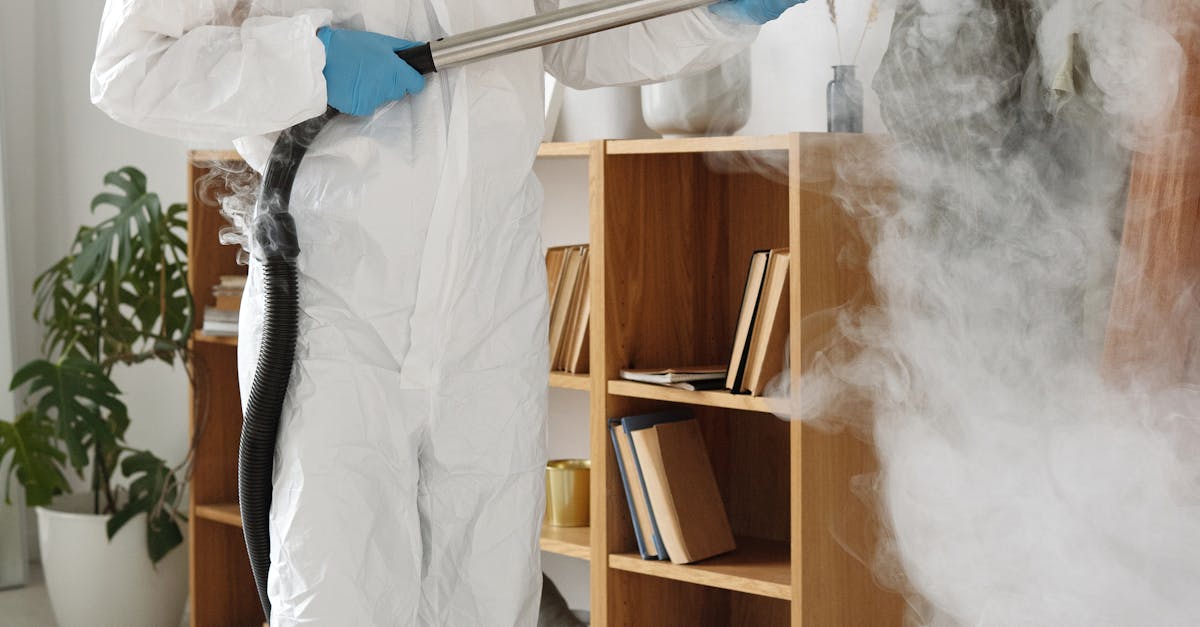
When steam cleaning upholstery, choosing the right method can significantly impact both the efficiency of the process and the safety of the fabric. One effective technique involves using a handheld steamer with adjustable settings. This allows for precise control over the steam’s intensity, adapting to different fabric types. Maintaining a safe distance between the nozzle and the upholstery is essential to prevent direct water damage and heat exposure. Regularly moving the steamer in sections ensures even cleaning without oversaturating any area.
Another recommended method includes utilizing a steam cleaning machine specifically designed for upholstery. These machines often come equipped with specialized attachments that cater to various fabrics, making it easier to navigate complex furniture designs. Opting for a machine with a nozzle that disperses steam evenly can help lift dirt and grime without damaging the fabric. Always follow the manufacturer's guidelines when using such equipment to maximize effectiveness while minimizing risk.
Step-by-Step Guide for Safe Cleaning
Begin by vacuuming the upholstery thoroughly to remove any loose dirt and debris. Pay special attention to crevices and seams where dust tends to accumulate. Ensure that the vacuum cleaner's brush attachment is used for optimal results without risking damage to the fabric. Once the surface is clean, identify the appropriate steam cleaning equipment. Select a steam cleaner that features adjustable pressure settings, which allows for customization based on the fabric type being treated.
Prepare for the steam cleaning process by testing the fabric in a hidden area. Apply a small amount of steam and watch for any reactions. If the fabric shows signs of distress or color alteration, opt for a gentler cleaning method. If tests prove successful, proceed to steam clean by holding the nozzle a safe distance away from the fabric surface. Move in slow, steady strokes to ensure even treatment while avoiding saturating any one area to minimize water damage.
Pre-Cleaning Considerations
Before beginning the steam cleaning process, it is essential to assess the type of upholstery fabric involved. Fabrics such as silk, velvet, or other delicate materials may not respond well to high heat and moisture. Using steam cleaners on these fabrics can result in shrinkage or warping, damaging the upholstery. Familiarizing yourself with the specific fabric's care requirements will help in making informed decisions regarding cleaning methods.
Additionally, colorfastness plays a crucial role in the cleaning process. Testing a small, inconspicuous area can reveal how the fabric reacts to moisture and steam. This preliminary test can help prevent unwanted discoloration or permanent stains from spreading across the upholstery. Taking these steps ensures a more successful cleaning experience while maintaining the integrity of the fabric.
Testing Fabric Durability and Colorfastness
Before committing to steam cleaning your upholstery, it is essential to test the fabric for durability and colorfastness. This process helps to avoid potential damage or discoloration. Begin by selecting a hidden area of the fabric where any adverse reactions would be less noticeable. Dampen a cloth with water and gently rub it against the upholstery. Look for any sign of color bleeding or fading. If the fabric transfers color to the damp cloth, it may not be suitable for steam cleaning.
Next, assess the fabric's durability by applying a small amount of steam to the hidden area. Hold the steam cleaner nozzle a few inches away from the surface and observe how the fabric reacts. If the fibers remain intact and there is minimal change in texture, the material may be safe for further cleaning. However, if the fabric shows signs of fraying or shrinking, reconsider using steam cleaning techniques for that specific upholstery item.
FAQS
Can all upholstery fabrics be safely cleaned with a steam cleaner?
No, not all upholstery fabrics are suitable for steam cleaning. Sensitive fabrics like silk, velvet, and certain synthetics can be damaged by high heat and moisture.
How can I determine if my upholstery fabric is steam clean compatible?
Check the care label on your upholstery furniture for cleaning instructions. If there is a “W” or “WS” code, it’s generally safe for water-based cleaning methods, including steam.
What should I do if I'm unsure about my upholstery's fabric type?
Conduct a small test on an inconspicuous area of the fabric before proceeding with steam cleaning. This will help you gauge durability and colorfastness.
What are some common risks associated with steam cleaning upholstery?
Potential risks include fading, shrinking, or warping of fabric, as well as the possibility of water damage or mildew if the upholstery does not dry properly.
Are there alternative cleaning methods for upholstery if steam cleaning isn't recommended?
Yes, alternative methods include using dry cleaning solvents, vacuuming regularly, or hiring a professional upholstery cleaner who can assess and clean based on the fabric type.
Related Links
Long-term Benefits of Regular Upholstery Steam CleaningThe Impact of Upholstery Steam Cleaning on Allergens
Eco-Friendly Upholstery Steam Cleaning Practices in Brisbane
Cost Factors for Upholstery Steam Cleaning Services
How Often Should You Consider Upholstery Steam Cleaning
Comprehensive Guide to Upholstery Steam Cleaning in Brisbane
The Advantages of Professional Upholstery Steam Cleaning