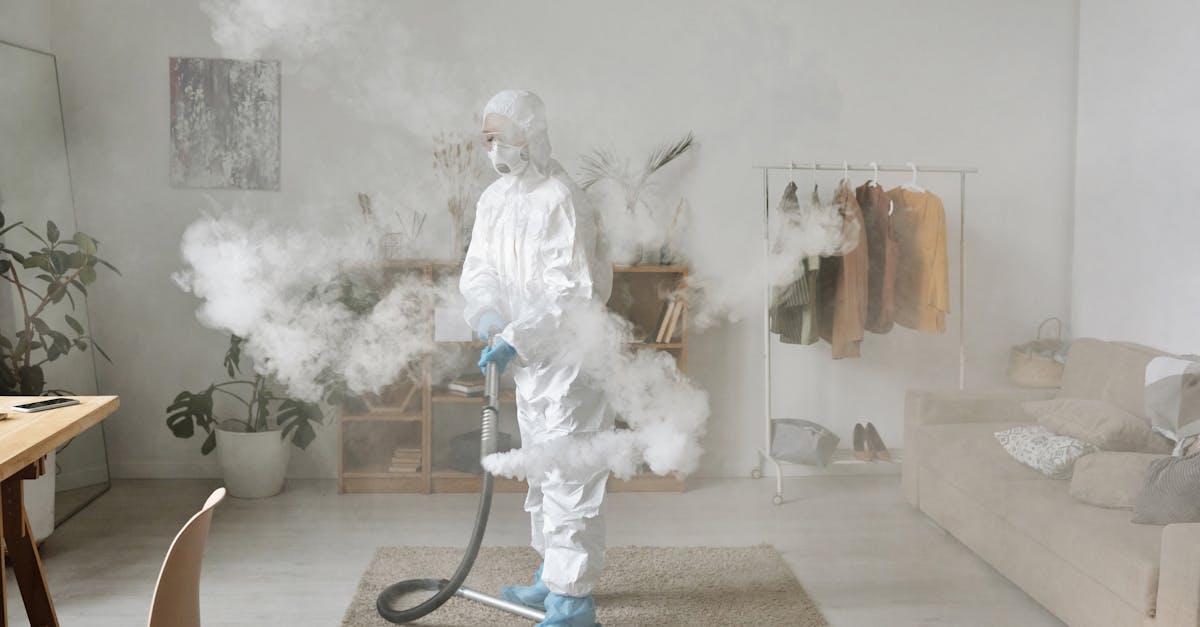
The Impact of Upholstery Steam Cleaning on Allergens
Table Of Contents
Frequency of Upholstery Steam Cleaning
Regular steam cleaning of upholstery is essential for maintaining a healthy home environment. It is recommended to schedule this deep cleaning at least once every six months. For households with pets or individuals suffering from allergies, increasing the frequency to every three months can significantly reduce the accumulation of allergens and irritants. This proactive approach not only prolongs the lifespan of the upholstery but also enhances indoor air quality.
The specific frequency may vary based on lifestyle factors. Homes with heavy foot traffic or young children may require more frequent cleaning. Seasonal changes can also affect cleaning schedules, particularly during periods when pollen counts rise or when pets shed more. By assessing the unique needs of your home and adjusting the cleaning routine accordingly, you can optimize the benefits of upholstery steam cleaning in reducing allergens effectively.
Recommended Cleaning Schedule for Allergens
Regular upholstery steam cleaning can significantly reduce allergens in your home. For households with pets or allergy sufferers, a cleaning schedule every three to six months is advisable. This frequency helps maintain a healthy indoor environment by removing dust mites, pet dander, and other potential allergens that accumulate over time.
In addition to the general schedule, consider seasonal cleaning. Allergy triggers such as pollen can infiltrate your home during the spring and fall. Cleaning upholstery before and after these seasons can provide extra protection and keep your living space as allergen-free as possible.
Choosing the Right Steam Cleaner
When selecting a steam cleaner, consider the type of upholstery you will be treating. Different fabrics require varying levels of heat and moisture. Ensure the machine you choose is suitable for the materials in your home. Look for models that specify compatibility with delicate fabrics like microfiber or velvet. Some steam cleaners come with interchangeable attachments to accommodate various surfaces and textures, enhancing their versatility.
Another important factor is the steam pressure and temperature settings. A higher steam pressure allows for deeper penetration into upholstery fibers, effectively loosening dirt and allergens. Look for cleaners with adjustable settings to customize the cleaning process based on your fabric type. Additionally, consider the machine's water tank capacity. A larger tank means longer cleaning sessions before needing a refill, which is especially beneficial for extensive cleaning tasks.
Features to Look for in a Steam Cleaning Machine
When selecting a steam cleaning machine, it is essential to consider the power and versatility of the device. Look for models that offer adjustable steam settings to cater to different types of upholstery, as delicate fabrics may require a gentler approach. A higher wattage often translates to more efficient steam generation, allowing for deeper cleaning in less time. Additionally, consider the size and weight of the machine, especially if you plan to move it around your home frequently.
Another important feature is a variety of attachments. These can enhance cleaning capabilities by allowing you to reach tight spaces and tackle different upholstery materials effectively. Ensure the machine has a good-sized water tank for longer cleaning sessions without frequent refills. A detachable tank can simplify the process of refilling and cleaning the machine, making maintenance easier. Finally, check for portability features such as wheels or a carrying handle, which can improve convenience during use.
Tips for Maximizing Cleaning Results
To achieve optimal cleaning results, it is essential to properly prepare the upholstery before beginning the steam cleaning process. Start by vacuuming the area thoroughly to remove surface dirt and debris. This step will help the steam cleaner effectively target the embedded allergens and grime. Additionally, consider checking for any stains or spots. Pre-treating these areas with a suitable upholstery cleaner can enhance the overall effectiveness of the steam cleaning.
After the steam cleaning, allow the upholstery to dry completely before using it again. This not only helps prevent mold growth but also ensures that any remaining allergens are released from the fabric. Maintain good airflow in the room by opening windows or using fans to speed up the drying process. Regular maintenance, including periodic vacuuming and immediate spot treatment, can further assist in keeping allergens at bay and ensuring your upholstery remains clean and fresh.
Preparing Upholstery for Steam Cleaning
Before initiating the steam cleaning process, it's essential to prepare the upholstery to achieve optimal results. Begin by removing any loose items such as throw pillows and blankets, as well as any small objects that could hinder the cleaning process. Vacuum the upholstery thoroughly to eliminate dust, pet hair, and other debris that may have settled into the fibers. This step not only enhances the effectiveness of steam cleaning but also reduces the likelihood of allergens being stirred up during the process.
Take the time to inspect the upholstery for any stains or spots that may require special attention. Treat these areas with a suitable stain remover before you begin steaming. Ensure that the fabric is compatible with steam cleaning, as delicate materials may require a low-temperature setting or might not be suitable for steam cleaning at all. Checking care labels and testing a small, inconspicuous area for colorfastness can prevent potential damage during the cleaning process.
FAQS
How often should I steam clean my upholstery to reduce allergens?
It is generally recommended to steam clean upholstery every 6 to 12 months, depending on the level of allergen exposure in your home, such as pets or pollen.
What should I look for when choosing a steam cleaner for upholstery?
When selecting a steam cleaner, consider features such as adjustable steam settings, a variety of attachments for different surfaces, and a high-capacity water tank for longer cleaning sessions.
Can steam cleaning upholstery completely eliminate allergens?
While steam cleaning can significantly reduce allergens like dust mites, pet dander, and pollen, it may not completely eliminate them. Regular cleaning and maintenance are essential for optimal results.
Is it necessary to prepare my upholstery before steam cleaning?
Yes, preparing your upholstery is important. This includes vacuuming to remove loose dirt and debris, checking for any stains, and ensuring the fabric is compatible with steam cleaning.
Are there any specific tips for achieving better results with steam cleaning?
To maximize results, use the steam cleaner in sections, allow the steam to penetrate the fabric for a few seconds, and follow up with a thorough drying process to prevent mold and mildew growth.
Related Links
Understanding Upholstery Fabrics and Steam Cleaning CompatibilityComprehensive Guide to Upholstery Steam Cleaning in Brisbane
Eco-Friendly Upholstery Steam Cleaning Practices in Brisbane
Cost Factors for Upholstery Steam Cleaning Services
How Often Should You Consider Upholstery Steam Cleaning
Long-term Benefits of Regular Upholstery Steam Cleaning
The Advantages of Professional Upholstery Steam Cleaning
Steps Involved in Effective Upholstery Steam Cleaning