The Importance of Clean Carpets for Allergy Sufferers
Table Of Contents
Professional Carpet Cleaning vs. DIY Methods
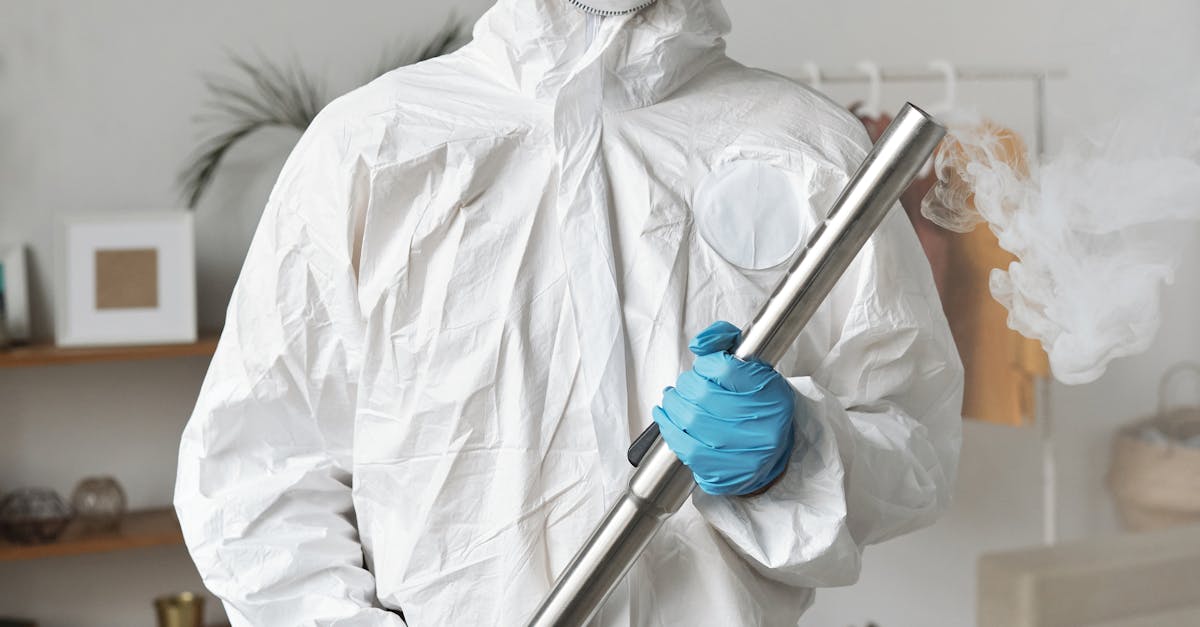
For those dealing with allergies, maintaining clean carpets is essential. Professional carpet cleaning services offer a deep clean that often outperforms DIY methods. Equipped with advanced tools and specialized cleaning solutions, these professionals can effectively remove allergens like dust mites, pet dander, and mold. Their expertise ensures that every nook and cranny of the carpet is treated, providing a thorough clean that might be difficult to replicate at home.
On the other hand, DIY methods can be beneficial for routine maintenance. Homeowners can utilize vacuuming and spot cleaning techniques to manage everyday dirt and allergens. Basic carpet cleaning solutions are readily available for those who prefer to handle small messes themselves. However, while these approaches can help maintain cleanliness, they may not sufficiently address the deep-seated allergens, making them a less effective long-term solution for allergy sufferers.
When to Seek Professional Help
Allergy sufferers often notice that their symptoms worsen when the carpet becomes particularly dirty or when certain allergens accumulate. While regular vacuuming can help, it may not be enough to eliminate deeply embedded dust, mold spores, and pet dander. Professional carpet cleaning services utilize equipment and techniques that provide a more thorough cleaning, reaching areas that are typically missed by standard home cleaning methods.
If symptoms persist despite regular DIY cleaning efforts, it may be time to consider professional help. Signs that indicate a need for assistance include increased allergy flare-ups, noticeable odors coming from the carpet, or visible stains that do not respond to at-home solutions. Seeking professional services can lead to significant improvements in indoor air quality, providing relief for those who suffer from allergies.
The Impact of Humidity on Carpet Allergens
Humidity plays a significant role in the accumulation and proliferation of allergens within carpets. High humidity levels create an environment conducive to dust mites, mold, and mildew, all of which thrive in damp conditions. These allergens can become deeply embedded in carpet fibers, making them difficult to remove through regular cleaning methods. Over time, this accumulation can lead to increased allergy symptoms for sensitive individuals.
On the other hand, lower humidity levels can help in reducing the growth of these allergens. Maintaining proper humidity within the home can inhibit dust mite reproduction and mold development, creating a healthier indoor atmosphere. This can be particularly beneficial for allergy sufferers, as cleaner carpets contribute to reduced exposure to irritants. Therefore, understanding and managing humidity is essential in keeping carpets allergen-free.
Managing Indoor Humidity Levels
Maintaining optimal humidity levels in your home can significantly reduce the presence of allergens in carpets. Ideally, indoor humidity should be kept between 30% and 50%. Humidity levels that exceed this range can create a conducive environment for mold and dust mites to thrive, exacerbating allergy symptoms for sensitive individuals. Using humidifiers during dry months and dehumidifiers in humid conditions can help regulate moisture levels effectively.
Proper ventilation also plays a crucial role in managing indoor humidity. Opening windows when weather permits allows fresh air to circulate, which can help reduce moisture build-up. Additionally, using exhaust fans in kitchens and bathrooms can help mitigate humidity from cooking or showering. Regularly monitoring humidity levels with a hygrometer can provide insight and help you maintain healthier conditions in your home.
The Frequency of Carpet Cleaning for Allergy Relief
Regular carpet cleaning plays a crucial role in minimizing allergens that accumulate within fibers. For allergy sufferers, a consistent cleaning schedule can help reduce exposure to dust mites, pet dander, and mold spores. Professionals recommend cleaning carpets every three to six months, depending on household activity and the presence of pets. Increased foot traffic or allergy-prone individuals in the home may necessitate more frequent cleaning.
Along with routine vacuuming, deep cleanings should incorporate methods like steam cleaning or hot water extraction. These techniques effectively eliminate deeply embedded allergens that routine vacuuming may miss. Keeping a close eye on carpet condition and indoor allergy triggers will aid in determining the optimal cleaning frequency tailored to individual needs.
Recommended Cleaning Schedules
Regular cleaning is essential for maintaining hypoallergenic conditions within a home. For allergy sufferers, vacuuming high-traffic areas at least twice a week can significantly reduce dust accumulation. Using a vacuum equipped with a HEPA filter ensures that particles are trapped rather than released back into the air. In addition, it's important to extend this practice to less frequented areas every month to minimize potential allergen build-up.
Deep cleaning should be scheduled at least once every six months. Professional carpet cleaning is recommended during this process to thoroughly eliminate trapped allergens that regular vacuuming may miss. Homeowners may also consider steam cleaning in between professional services for added effectiveness. Adhering to this cleaning routine can create a healthier indoor environment, easing symptoms for those sensitive to allergens.
FAQS
Why is it important for allergy sufferers to have clean carpets?
Clean carpets help reduce allergens such as dust mites, pollen, and pet dander, which can trigger allergy symptoms. Regular cleaning improves air quality and creates a healthier indoor environment.
What are the benefits of professional carpet cleaning compared to DIY methods?
Professional carpet cleaning uses specialized equipment and products that can effectively remove deep-seated dirt and allergens. While DIY methods can help with surface cleaning, they may not achieve the same level of cleanliness as professional services.
How can humidity levels affect carpet allergens?
High humidity levels can promote the growth of mold and dust mites in carpets, increasing allergen levels. Maintaining proper humidity can help minimize these allergens and improve overall air quality.
How often should carpets be cleaned for allergy relief?
It is generally recommended to have carpets professionally cleaned at least once every 6 to 12 months, depending on the level of foot traffic and the presence of pets. Regular vacuuming and spot cleaning should also be part of your routine.
What steps can I take to manage indoor humidity levels?
To manage indoor humidity, use dehumidifiers, ensure proper ventilation, and avoid excessive moisture from activities like cooking and showering. Keeping indoor humidity levels between 30% and 50% can help reduce allergen levels in carpets.
Related Links
Eliminating Dust Mites for Better Air Quality with Carpet CleaningThe Role of Carpet Maintenance in Promoting Fresh Indoor Air
Carpet Steam Cleaning's Effect on Respiratory Health
Benefits of Carpet Steam Cleaning in Reducing Indoor Allergens
Enhancing Air Quality in Your Brisbane Home through Steam Cleaning
How Regular Steam Cleaning Contributes to Healthier Indoor Environments
Transforming Your Home's Air Quality with Professional Carpet Care
Understanding the Link Between Clean Carpets and Air Purity