Transforming Your Home's Air Quality with Professional Carpet Care
Table Of Contents
Frequency of Carpet Cleaning
The frequency of carpet cleaning plays a significant role in maintaining a healthy home environment. For households with moderate foot traffic, scheduling a professional cleaning every 6 to 12 months is often sufficient. However, those with high traffic areas or specific lifestyle factors, such as children or pets, may benefit from more frequent cleanings.
Regular upkeep not only enhances the appearance of carpets but also aids in removing dust, allergens, and other contaminants. For optimal results, consider seasonal cleanings to coincide with allergens' peak times, such as during spring and fall. Establishing a consistent cleaning routine can greatly improve air quality and contribute to a healthier living space.
How Often Should You Schedule Professional Services?
The frequency of professional carpet cleaning can vary based on several factors, including household occupancy, lifestyle, and the presence of pets. For families with young children or pets, a thorough cleaning every six to twelve months is often recommended. High-traffic areas may also benefit from more frequent treatments to effectively manage dirt and allergens.
In contrast, homes without pets or minimal foot traffic may require less frequent services, perhaps every twelve to eighteen months. Seasonal changes can serve as a good reminder to schedule these cleanings. Not only does this help maintain the carpet's appearance, but it also contributes significantly to improving overall indoor air quality.
DIY Carpet Cleaning Tips
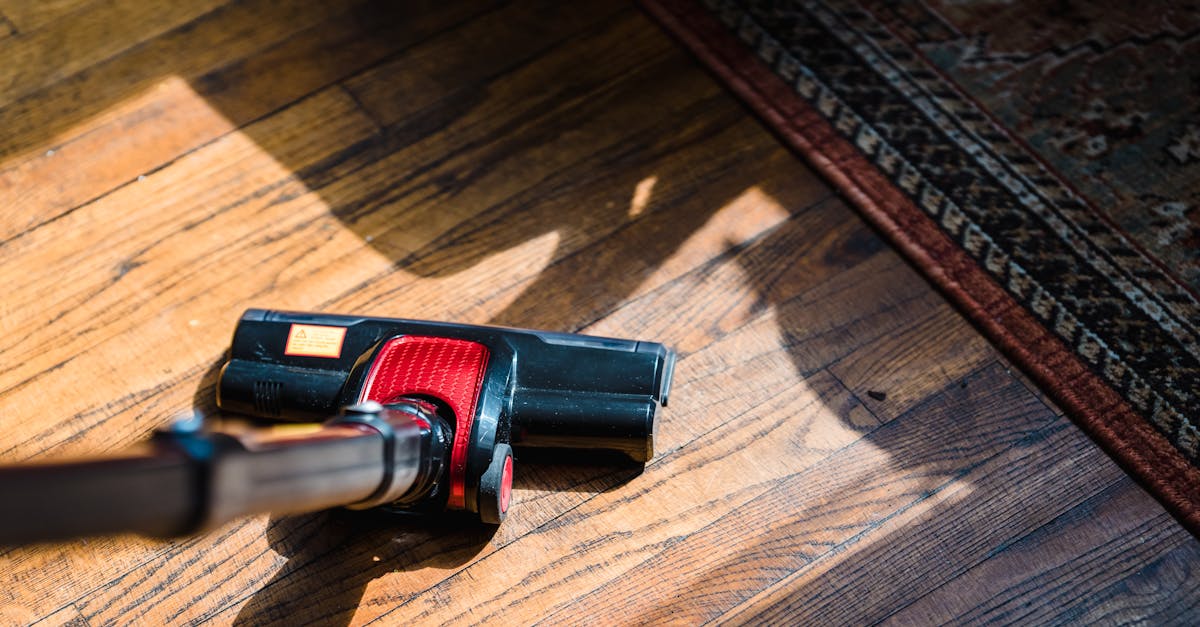
Regular vacuuming serves as the foundation for maintaining clean carpets and improving indoor air quality. It helps remove dirt, dust, and allergens that settle within the fibers. Aim to vacuum at least once a week, or more frequently in high-traffic areas. For optimal results, ensure your vacuum is equipped with a HEPA filter. This type of filter captures even the smallest particles, contributing to a healthier living environment.
Spot cleaning can also make a significant difference in preserving carpet cleanliness. When spills occur, act quickly to blot the area with a clean cloth, avoiding excessive scrubbing as it can damage fibers. Simple solutions like a mix of water and white vinegar can effectively address stains, while a sprinkle of baking soda helps eliminate odors. Additionally, rotating rugs and carpets can prevent uneven wear and enhance overall cleanliness.
Maintaining Air Quality Between Professional Cleanings
Regular maintenance of your carpets is essential for preserving good air quality. Vacuuming frequently can help remove dust, dirt, and allergens that accumulate in carpet fibers. Using a vacuum equipped with a HEPA filter can capture even the smallest particles. Consider setting a vacuuming schedule that aligns with foot traffic levels in your home. In high-traffic areas, you may want to vacuum several times a week while less frequented spaces can be done weekly.
Additionally, placing mats at entryways can significantly reduce the amount of dirt brought into your home. Encourage family members and visitors to wipe their feet or even remove shoes before entering. This simple practice not only keeps your carpets cleaner but also helps prevent allergens from spreading throughout your living space. Keeping your indoor humidity in check with dehumidifiers can also mitigate dust mites and mold growth, further improving air quality.
The Impact of Pets on Carpet and Air Quality
Pets contribute significantly to indoor air pollution through allergens such as dander, urine, and hair. These particles can easily become trapped in carpets and upholstery, leading to respiratory issues and increased allergy symptoms for occupants. Even with regular cleaning, the accumulation of pet-related substances can create a persistent layer of irritants in the air.
Proper maintenance is essential for mitigating these effects. Frequent professional carpet cleaning helps remove not only the visible debris but also the hidden allergens embedded within the fibers. Additionally, using high-quality air purifiers can aid in reducing the overall concentration of pet allergens, improving the air quality within the home. Regular grooming of pets and sealing of any areas where they frequently rest can further support a healthier living environment.
Addressing Pet-Related Allergens Effectively
Pet dander and hair are common contributors to indoor allergens, making regular cleaning essential for improving air quality. Vacuuming with a HEPA filter is an effective strategy to capture these tiny particles. While routine vacuuming helps, professional cleaning services equipped with specialized tools can penetrate deeper into carpets to remove embedded allergens. It is also beneficial to use air purifiers in living spaces to further reduce airborne particles.
Incorporating grooming practices can significantly decrease the amount of pet hair and dander your carpets collect. Regularly brushing pets not only keeps their coats healthy but also minimizes shedding indoors. Additionally, establishing rules about pet access to certain areas, like bedrooms, helps limit allergen spread. Combining these practices with professional services creates a holistic approach to managing pet-related allergens in your home.
FAQS
How often should I have my carpets professionally cleaned?
It is generally recommended to have your carpets professionally cleaned every 6 to 12 months, depending on factors such as foot traffic, pets, and allergies.
Can I clean my carpets myself, or should I hire a professional?
While DIY carpet cleaning can be effective for minor stains and maintenance, hiring a professional ensures a deeper clean and better removal of allergens, improving your home’s air quality.
What are some DIY carpet cleaning tips I can use?
To maintain your carpets, vacuum regularly, spot clean stains immediately, use a mixture of vinegar and water for natural cleaning, and rotate furniture occasionally to prevent wear.
How do pets affect my carpet and indoor air quality?
Pets can contribute to poor air quality by introducing allergens such as dander and hair, as well as odors from accidents. Regular cleaning and professional services can help mitigate these issues.
What steps can I take to reduce pet-related allergens in my home?
To address pet-related allergens, regularly groom your pets, vacuum carpets and upholstery often, use air purifiers, and have your carpets professionally cleaned to remove embedded allergens.
Related Links
How Regular Steam Cleaning Contributes to Healthier Indoor EnvironmentsUnderstanding the Link Between Clean Carpets and Air Purity
Eliminating Dust Mites for Better Air Quality with Carpet Cleaning
The Importance of Clean Carpets for Allergy Sufferers
The Role of Carpet Maintenance in Promoting Fresh Indoor Air
Carpet Steam Cleaning's Effect on Respiratory Health
Benefits of Carpet Steam Cleaning in Reducing Indoor Allergens