The Role of Carpet Maintenance in Promoting Fresh Indoor Air
Table Of Contents
DIY Carpet Care Techniques
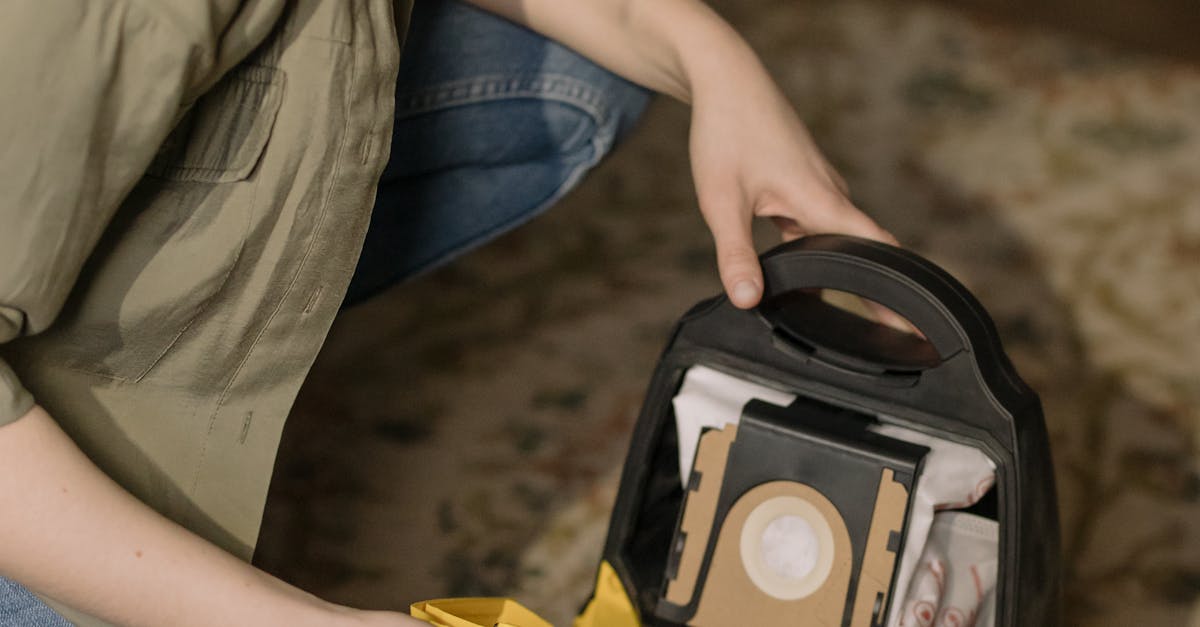
Maintaining carpets at home can be achieved with simple and effective methods. Regular vacuuming is essential to remove dirt and allergens. Utilizing a vacuum cleaner with a HEPA filter enhances the collection of small particles, ensuring a cleaner environment. For stain removal, act quickly. Blot the area with a clean cloth and use a mild soap solution or a commercial carpet cleaner designed for home use. Always test cleaning solutions in inconspicuous areas first to avoid damage.
Another useful DIY technique involves periodic deep cleaning. Homeowners can rent or purchase steam cleaners for a thorough cleanse that reaches deeper layers of the carpet. This process not only helps in eliminating major allergens but also refreshes the overall look of the carpet. Additionally, sprinkling baking soda on carpets before vacuuming can absorb odors, leaving a fresher scent behind. Implementing these techniques can significantly enhance the longevity and appearance of carpets.
Simple Cleaning Tips for Homeowners
Regular vacuuming is essential for maintaining clean carpets. It helps remove dirt, dust, and allergens that accumulate over time. Homeowners should aim to vacuum at least once a week, or more often in high-traffic areas. Utilizing a vacuum with a HEPA filter can further enhance indoor air quality by trapping small particles. Adjusting the vacuum height according to the carpet type ensures effective cleaning without causing damage.
Spot cleaning spills immediately can prevent stains from setting in. Using a mixture of mild detergent and water is often effective for treating common stains. Blotting, rather than scrubbing, helps lift the stain without pushing it deeper into the fibers. For tougher stains, consulting professional cleaning services may be beneficial. Establishing a routine care plan can significantly prolong the life of carpets while promoting a healthier living environment.
The Role of Carpet Padding in Maintenance
Carpet padding plays a crucial role in extending the life of carpeting while also enhancing comfort. Quality padding provides a buffer that absorbs the impact from foot traffic, reducing the wear and tear on the carpet fibers. This protective layer also helps to prevent matting and crushing, allowing the carpet to maintain its appearance over time. Moreover, padding can serve as a barrier against dirt and debris, making it easier to clean and maintain a fresh look.
In addition to providing comfort and durability, the right carpet padding can improve the overall cleanliness of indoor environments. By encouraging proper airflow, quality padding helps to reduce the amount of moisture that can become trapped in carpets. This can be particularly beneficial in areas prone to humidity, as moisture can lead to mold and mildew growth, which adversely affects indoor air quality. Regular maintenance of both carpets and their padding ensures a cleaner, fresher living space while also promoting a healthier indoor atmosphere.
How Padding Can Enhance Longevity and Cleanliness
Though often overlooked, carpet padding plays a crucial role in extending the life of your flooring. Quality padding provides a supportive layer that absorbs the impact of foot traffic. This cushioning effect helps to minimize wear and tear on the carpet fibers, allowing them to retain their original appearance for a longer period. Additionally, well-chosen padding can prevent premature matting, ensuring that the carpet remains plush and comfortable.
Effective padding also contributes to the cleanliness of carpets by creating a barrier against dirt and debris. High-density foam or rubber padding can trap allergens, dust, and particles below the surface, simplifying the cleaning process. Regular vacuuming becomes more effective when padding supports the carpet, as it helps lift the fibers and allows the suction to remove trapped contaminants. This dynamic not only keeps your carpets looking fresh but also promotes healthier indoor air quality.
The Relationship Between Humidity and Carpets
Humidity levels play a crucial role in the health of carpets and, consequently, indoor air quality. High humidity can lead to excessive moisture retention in carpet fibers, creating an environment conducive to the growth of mold and dust mites. These factors not only compromise the integrity of the carpet but also contribute to poor indoor air, potentially leading to respiratory issues for inhabitants. Regular monitoring of humidity levels is essential to prevent these unwanted consequences.
On the other hand, low humidity can also be detrimental to carpets. When the air is too dry, carpet fibers may become brittle, potentially causing them to crack or fray over time. This wear can affect the carpet's appearance and texture while also making it more challenging to remove dirt and allergens trapped within the fibers. Maintaining a balanced humidity level helps preserve both the aesthetics and function of carpets, promoting a healthier indoor environment.
Managing Moisture to Improve Indoor Air
Maintaining appropriate humidity levels is crucial for promoting both carpet longevity and overall indoor air quality. High humidity can cause carpets to retain moisture, leading to mold and mildew growth. Bacteria thrive in damp environments, releasing compounds that can negatively impact health. Homeowners should aim to keep indoor humidity levels between 30% and 50%. Using dehumidifiers in moisture-prone areas such as basements can significantly help in achieving this balance.
Ventilation plays an essential role in moisture management. Regularly opening windows allows fresh air to circulate, reducing humidity inside the home. Additionally, ensuring proper exhaust fans are functioning in kitchens and bathrooms helps remove excess moisture generated from cooking or showers. Using air conditioners during humid seasons can also be effective. By addressing these factors, residents can create an environment that supports cleaner air and healthier living spaces.
FAQS
Why is carpet maintenance important for indoor air quality?
Regular carpet maintenance helps to remove dust, allergens, and pollutants trapped in the fibers, which can significantly improve indoor air quality and promote a healthier living environment.
What are some simple DIY carpet care techniques?
Homeowners can employ techniques such as regular vacuuming, spot cleaning spills immediately, using baking soda to neutralize odors, and occasionally deep cleaning with steam cleaners or carpet shampooers.
How does carpet padding contribute to carpet maintenance?
Quality carpet padding provides cushioning, supports the carpet, and creates a barrier against dirt and moisture, which helps to enhance the longevity and cleanliness of the carpet.
What role does humidity play in carpet maintenance?
High humidity can lead to mold and mildew growth in carpets, while low humidity can cause static electricity and drying of the fibers. Managing humidity levels is crucial for maintaining both the carpet's condition and indoor air quality.
How can I manage moisture levels to improve indoor air quality?
To manage moisture levels, consider using dehumidifiers, ensuring proper ventilation, fixing leaks, and allowing carpets to dry thoroughly after cleaning to prevent mold growth.
Related Links
The Importance of Clean Carpets for Allergy SufferersCarpet Steam Cleaning's Effect on Respiratory Health
Eliminating Dust Mites for Better Air Quality with Carpet Cleaning
Benefits of Carpet Steam Cleaning in Reducing Indoor Allergens
Enhancing Air Quality in Your Brisbane Home through Steam Cleaning
How Regular Steam Cleaning Contributes to Healthier Indoor Environments
Transforming Your Home's Air Quality with Professional Carpet Care
Understanding the Link Between Clean Carpets and Air Purity
The Impact of Carpet Steam Cleaning on Indoor Air Quality